When Should You Remodel Your Kitchen?
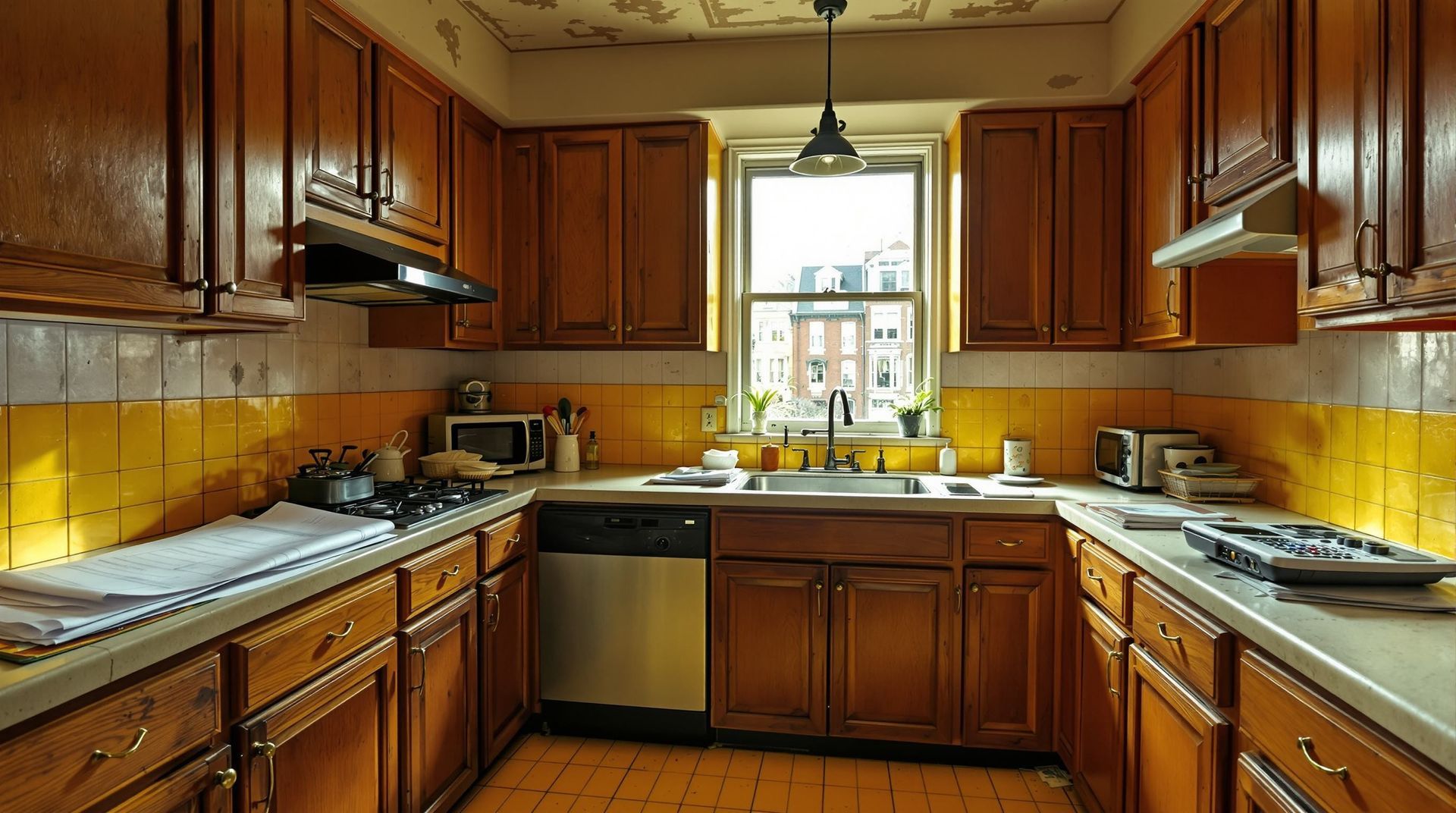
Kitchen Remodeling in Boston, MA: When to Start
Quick Take: The right time to remodel your kitchen usually comes down to functionality, safety, and lifestyle changes. In Greater Boston suburbs like Needham, Newton, and Wellesley, most projects range from $30,000 to $75,000 and take about 6 to 10 weeks once construction begins. Planning before appliance failure or outdated plumbing becomes urgent helps protect your home's resale value and your budget.
Your kitchen works harder than any other room in your home. From rushed breakfasts to holiday gatherings, it handles daily wear that adds up over time. Cabinets loosen, appliances struggle, and small layout frustrations turn into daily annoyances.
So how do you know when it’s really time?
This guide breaks down the signs your kitchen needs attention, how lifestyle changes affect timing, and when remodeling makes financial sense for Boston-area homeowners. Whether you’re in a 1950s Lexington colonial or a 1990s Natick home, smart timing helps you plan ahead instead of reacting to problems.
Clear Signs It’s Time to Remodel Your Kitchen
If these signs below sound familiar, then it's time to remodel your kitchen.
1. Your appliances keep acting up
If your refrigerator struggles to stay cold or your dishwasher has needed multiple service calls lately, replacing them one at a time might not actually fix the bigger problem. Kitchens built 15 to 25 years ago weren’t designed for today’s appliance demands. The wiring, ventilation, and layout may all need attention together, not piecemeal.
2. Plumbing issues keep popping back up
Slow drains. A little leak under the sink. Maybe some corrosion you’ve noticed but ignored. Many older Greater Boston homes have aging pipes hidden behind the walls. If you’re constantly patching small problems, it may be smarter to address them during a planned remodel instead of waiting for a bigger mess.
3. The layout just drives you crazy
If you and your partner can’t pass each other without turning sideways, or your prep space feels tight and cramped, that’s not something you just “get used to.” When your kitchen makes everyday cooking harder than it should be, it’s usually a sign you’ve outgrown it.
4. You’re always fighting for storage
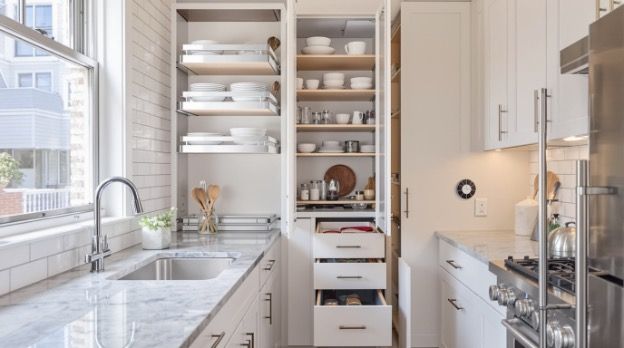
If your countertops are permanently cluttered and your pantry feels packed no matter how much you reorganize, your cabinetry probably doesn’t match how you live anymore. A better storage design can completely change how the space functions without adding square footage.
If you’re nodding along to more than one of these, it’s probably not a coincidence. Waiting usually doesn’t make these issues disappear.
How Lifestyle Changes Signal the Right Time
Not every remodel starts because something breaks. Sometimes, nothing is technically wrong. It just doesn’t work for you anymore.
If your family has grown, that once-adequate 40-inch prep space probably feels tight now. What used to be a simple cooking zone turns into a traffic jam when homework, snacks, and dinner prep all happen at the same time. You’re bumping into each other, and it gets old fast.
On the flip side, maybe the kids have moved out. If you’re in Needham or Dover and suddenly hosting more dinners with friends, you might look at your closed-off kitchen and think, “Why does this feel so separate from everything?” Opening walls and creating a better entertaining flow starts to sound appealing.
And then there’s remote work. If you’re answering emails at the island or taking calls at the kitchen table, you’ve probably realized lighting, outlets, and seating matter more than they used to. Your kitchen isn’t just for cooking anymore. It’s a workspace, a gathering space, sometimes even a classroom.
You don’t have to wait for something to break. If your kitchen no longer fits how you actually live day to day, that alone is a good enough reason to start thinking about a change.
Remodeling Before Selling vs. Remodeling to Stay
The answer depends on you. Are you staying, or are you selling? That answer changes everything.
Boosting Home Resale Value in Greater Boston
If you’re thinking about listing your home in Lexington or Wellesley in the next few years, your kitchen plays a bigger role than you might realize. Buyers walk in and head straight there. If they see outdated cabinets or worn finishes, they start mentally subtracting dollars from your asking price.
And here’s the thing. Most buyers overestimate what renovations cost. So even if the updates are manageable, they assume the worst during negotiations.
You don’t necessarily need a luxury overhaul. In fact, mid-range updates often make more financial sense. A better layout, quartz countertops, fresh lighting, and clean finishes appeal to a wide audience. Fixing visible wear and mechanical issues also prevents inspection delays that could slow down closing.
If you plan to sell within 1 to 3 years, think broad appeal, not a bold personal style.
Designing for Long-Term Living
Now, if you’re staying? That’s a different conversation.
This is where you design for yourself. Expand your prep space so cooking feels easier. Make sure your walkways are at least 42 to 48 inches wide, so two people can move comfortably. Add storage that actually eliminates clutter instead of just rearranging it.
When you approach it this way, thoughtful kitchen design becomes about how you move through the space every day. Not how it photographs. Not what trends are popular this year. You choose durable materials and layouts that will still feel right ten years from now.
If you’re staying, comfort and function should win every time.
Structural or Mechanical Red Flags You Shouldn’t Ignore
Some remodeling decisions are less about style and more about prevention. Here are some red flags you should know:
1. Aging plumbing systems
If your home still has older galvanized pipes, they’re likely corroding from the inside out. You might notice slower water flow or small recurring leaks. It’s easy to ignore until something bursts. The problem is, once water damage becomes visible, you could be looking at subfloor repairs and a much bigger project than you planned.
2. Electrical systems that can’t keep up
Do your breakers trip when you run the microwave and toaster at the same time? That’s not just annoying. It usually means your circuits are undersized for modern appliance demands. Today’s kitchens require dedicated lines for major appliances. Updating wiring during a remodel improves both safety and day-to-day reliability.
3. Water damage under cabinets or floors
If the base under your sink feels soft or you notice staining along the floor, that’s often from a slow leak. These issues spread quietly and can weaken framing over time.
4. Hidden mold or subfloor deterioration
A musty smell or slightly uneven tile may not seem urgent, but trapped moisture has a way of expanding once walls come down.
Mechanical problems rarely fix themselves. Addressing them early protects your safety, your budget, and your home resale value down the road.
The Financial Timing Question: When Does It Make Sense?
In the Greater Boston area, most kitchen remodeling projects fall between $30,000 and $75,000, depending on cabinetry level, structural changes, and material selections. Larger projects with wall removal or premium finishes exceed that range.
Consider this framework before committing:
- Are repair costs adding up? Replacing appliances one by one may cost thousands without addressing layout or infrastructure limitations.
- Is your budget aligned with your goals? Cabinetry alone often represents 30 to 40 percent of the total cost. Clear expectations prevent mid-project stress.
- Can you manage the timeline? Most projects take 6 to 10 weeks once construction begins, sometimes longer if permitting is required in towns like Newton or Needham.
- Are material lead times acceptable? Custom elements can require 6 to 10 weeks before installation.
Planning ahead gives you control. Waiting for a failure often removes that flexibility.
Why Planning and Cabinet Strategy Matter More Than Timing
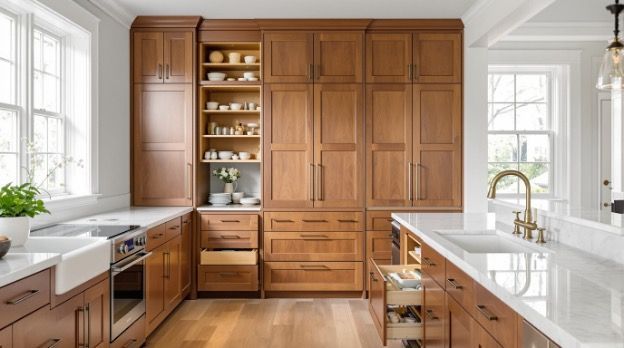
Cabinetry shapes nearly every other decision. Quality kitchen Cabinets determine storage depth, workflow, and budget allocation. Cabinet layout affects appliance placement, lighting, and even flooring transitions.
Clear planning should include:
- Accurate layout measurements with adequate aisle spacing.
- 3D visualization before materials are ordered.
- Coordinated material selections under realistic lighting.
- Awareness of Massachusetts permitting requirements for plumbing or electrical changes.
Our team evaluates traffic flow and structural constraints before finalizing plans. Strong preparation prevents costly revisions once installation begins.
How to Prepare for a Kitchen Remodel
Even when the timing is right, disruption concerns hold many homeowners back.
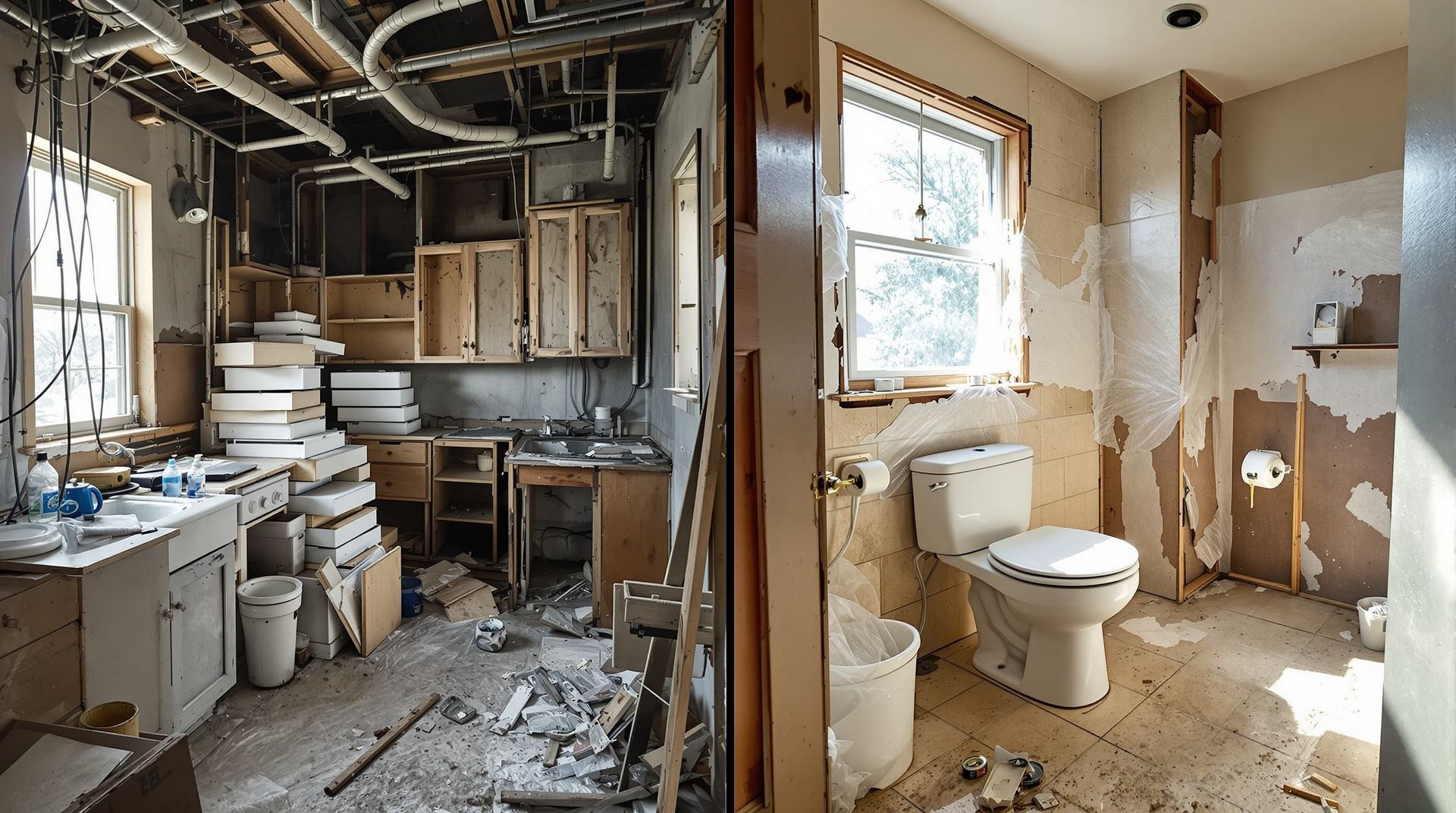
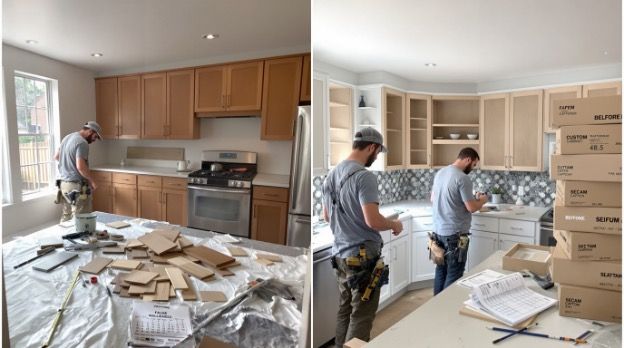
A typical kitchen remodel in Greater Boston takes 6 to 10 weeks during construction. You will temporarily lose access to your main cooking area. Planning reduces stress.
- Create a temporary kitchen zone. A microwave, toaster oven, coffee maker, and mini fridge can cover basic needs. Many families set this up in a dining room or basement.
- Plan simplified meals. Grilling outdoors or using slow cookers helps during peak demolition weeks.
- Expect inspections and scheduling shifts. Electrical and plumbing updates often require town inspections.
- Prepare for hidden discoveries. Opening walls may reveal outdated wiring or minor water damage that needs correction.
Some homeowners coordinate improvements during the same timeframe. If bathrooms show similar wear, exploring a bath remodel concurrently can streamline scheduling.
Conclusion
Knowing when to remodel your kitchen is less about trends and more about readiness. Appliance failure, outdated plumbing, structural wear, and lifestyle changes are all valid triggers. Ignoring them rarely saves money.
For homeowners across Needham, Newton, Lexington, and surrounding communities, timing also means understanding older housing stock and local permitting realities. Addressing concerns proactively protects both comfort and long-term home resale value.
The best remodels are planned before emergencies force them. When your kitchen no longer supports how you live, cook, or gather, that is usually your answer.
If you recognize the signs, start with a conversation. At Prestige Kitchen & Bath, we help homeowners evaluate layout options, cabinetry strategies, and realistic budgets before construction begins. Call us today to schedule a consultation if you live in Needham, Newton, Wellesley, Natick, or surrounding Greater Boston communities.
Frequently Asked Questions
Most projects range from $30,000 to $75,000 depending on size, cabinetry, and structural changes. Larger renovations with wall removal or premium materials exceed that range.
Construction usually lasts 6 to 10 weeks. Older homes may require additional time for electrical or plumbing updates.
If your kitchen appears dated or has visible functional issues, updating it can improve buyer confidence and perceived resale value. Mid-range updates often deliver broader appeal than luxury upgrades.
Begin with a professional layout and budget review. Understanding space constraints and permitting requirements prevents costly adjustments later.