Kitchen vs Bathroom Remodeling: Where to Start
Kitchen vs Bathroom Remodeling in Boston, MA Where to Start
Quick Take: In Greater Boston, kitchen remodels typically cost $40,000 to $90,000 and take 6 to 10 weeks, while bathrooms range from $15,000 to $35,000 and take about 3 to 5 weeks. If daily disruption is your biggest concern, start with the bathroom. If long-term home value and functionality matter most, the kitchen usually delivers the strongest return.
If you are planning a home update, one question comes up quickly. Should you remodel the kitchen or the bathroom first? Both projects improve daily life and increase home value, but they come with very different costs, timelines, and levels of disruption.
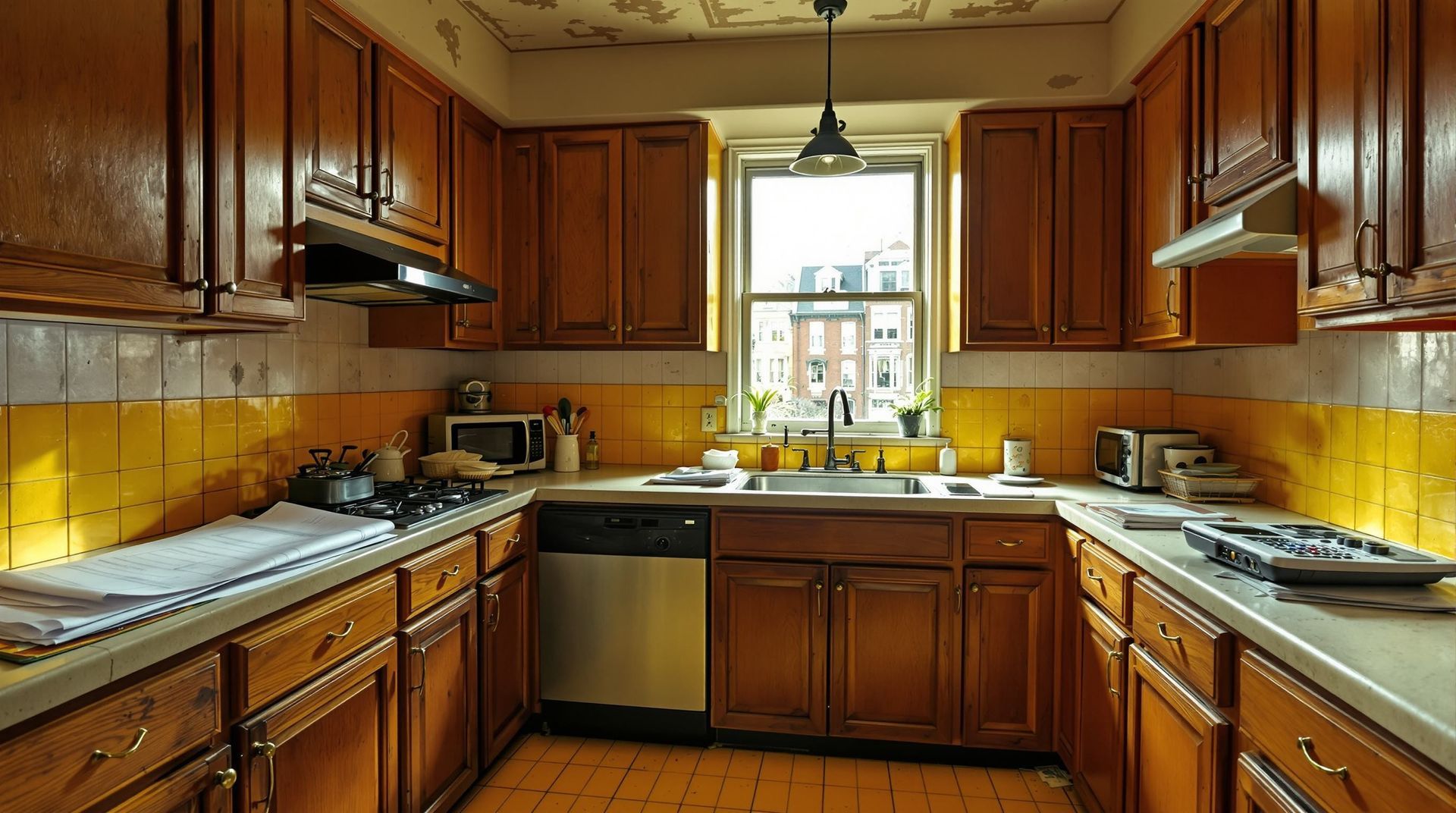
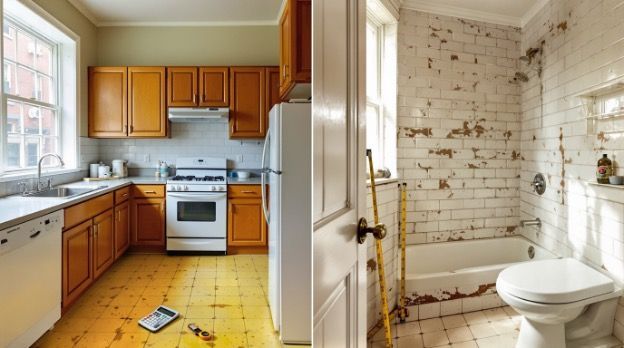
In many Greater Boston homes, especially older colonials and mid century properties in Newton, Needham, and Wellesley, kitchens and bathrooms tend to age at the same pace. Layouts feel tight, storage falls short, and finishes begin to look dated. The challenge is deciding where your investment will make the biggest impact right now.
This guide compares kitchen vs bathroom remodeling so you can move forward with confidence and start with the space that matters most.
Start With Your Biggest Daily Frustration
The best place to begin is simple. Which space causes the most stress in your everyday routine? That answer often matters more than resale value or project size.
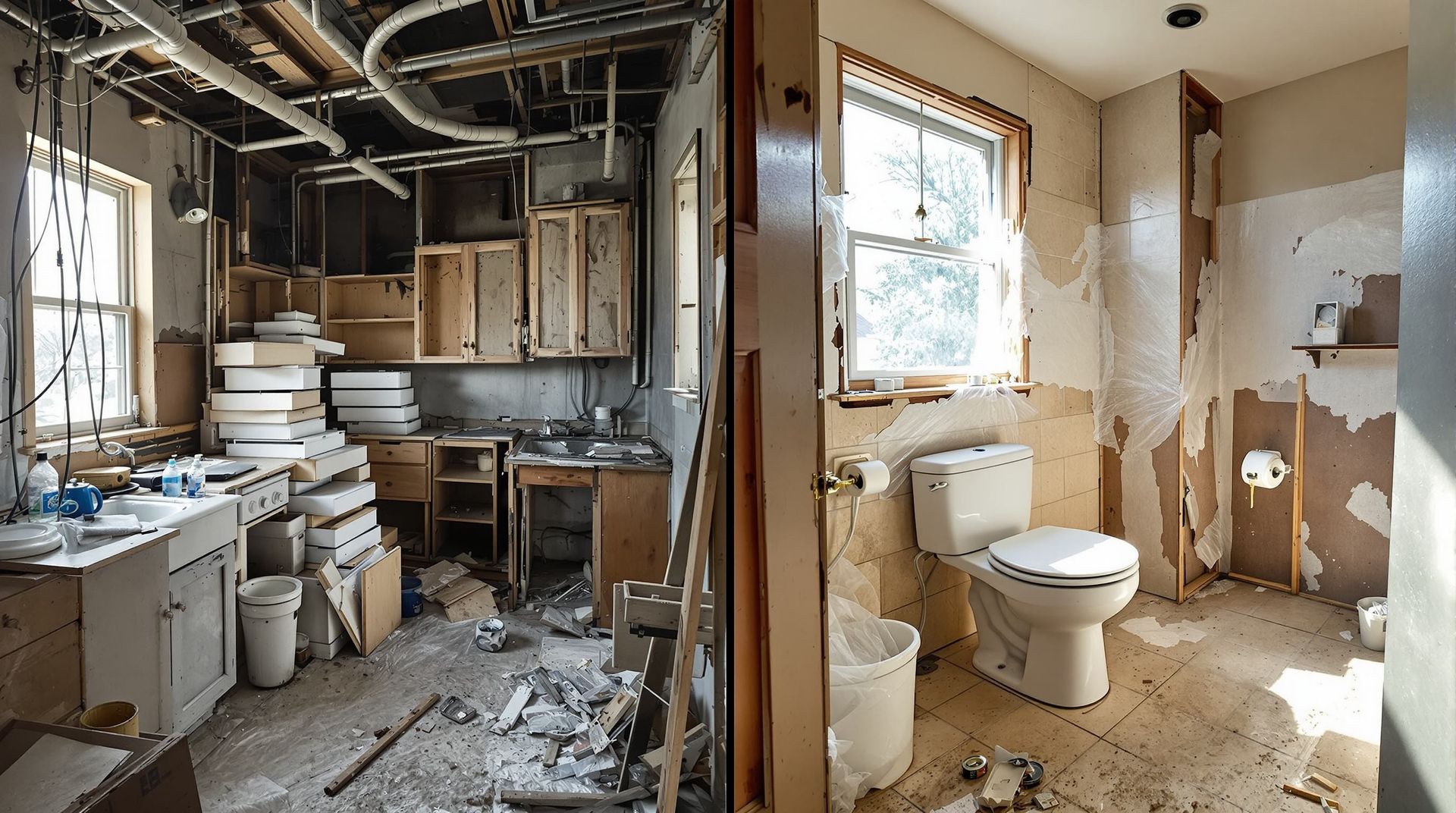
Think about what would be harder to live without. A kitchen remodel usually means weeks without a working sink, stove, or full food storage. Many homeowners create a temporary setup with a microwave, coffee maker, and mini fridge, but meals and cleanup still take more effort. If your household cooks often or gathers in the kitchen daily, the disruption can feel significant.
Bathroom projects create a different challenge. If your home has only one full bathroom, losing it even briefly can disrupt mornings and evenings. In many older Boston area homes where space is limited, families are already sharing tight schedules.
We often suggest tracking your frustrations for a week. If crowded counters, poor storage, and slow traffic flow slow you down every day, the kitchen may be the priority. If showers and sink time feel like a daily negotiation, the bathroom should come first.
Kitchen vs Bathroom Costs in the Boston Area
Budget is often the deciding factor, especially in the Greater Boston market, where labor, materials, and permitting costs run higher than the national average. Understanding realistic ranges helps you plan without surprises.
Here is how the two projects typically compare:
1. Kitchen remodel: $40,000 to $90,000+
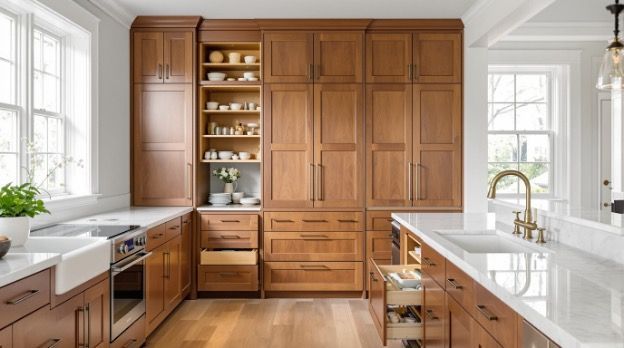
Cabinetry is usually the largest expense. Custom or semi custom kitchen cabinets often account for 30 to 40 percent of the total budget. Layout changes, electrical upgrades, and new appliances can increase costs quickly.
2. Bathroom remodel: $15,000 to $35,000+
Bathrooms are smaller, but the work is detail-focused. Tile installation, waterproofing, and plumbing updates drive much of the cost. Moving fixtures or expanding the space will raise the budget.
3. Older home considerations
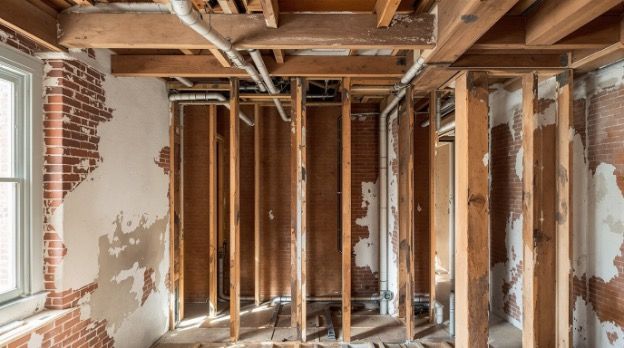
Many homes in Needham, Wellesley, and surrounding suburbs reveal hidden issues once walls are opened. Outdated wiring, aging plumbing, or water damage are common. We recommend setting aside a 10 to 15 percent contingency to handle surprises without stress.
If your budget allows only one project right now, a bathroom remodel offers a lower entry point. If you are ready for a larger investment that transforms how your home functions, the kitchen typically delivers a bigger impact.
Which Project Adds More Home Value?
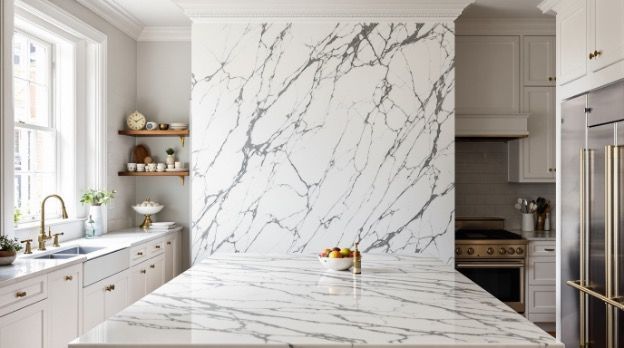
If resale value is part of your decision, kitchens usually deliver the strongest return. In the Greater Boston market, buyers pay close attention to the kitchen because it sets the tone for the entire home. An updated layout, modern finishes, and better storage can make a property feel move-in ready.
A well-planned kitchen remodeling project often recovers about 60 to 75 percent of its cost, depending on the level of finishes and how well the design fits the home. More importantly, updated kitchens attract more interest and stronger offers.
Bathroom upgrades also add value in the right situations. If your home has only one full bath, adding another or updating a worn primary bathroom can significantly improve buyer appeal. Outdated or damaged bathrooms are often seen as immediate projects by potential buyers.
There is also personal value to consider. If you plan to stay for several years, the best return comes from improving the space you use most and the one that makes your daily routine easier.
Timeline and Disruption: What to Expect
Kitchens and bathrooms differ significantly in how long your home feels under construction. Kitchen remodels typically take 6 to 10 weeks once work begins. Most bathroom projects are completed in 3 to 5 weeks, depending on scope and material availability.
A kitchen renovation affects almost every part of daily life. Without a working sink, stove, or dishwasher, routines require extra planning. Many homeowners rely on takeout, paper goods, or a temporary setup in another part of the home. If the kitchen is your main gathering space, the house can feel unsettled until the project is finished.
Bathroom projects are shorter, but access matters. If your home has multiple bathrooms, the disruption is manageable. If there is only one, even a few weeks can feel challenging.
Permits and inspections in Boston suburbs can add time to either project, especially in older homes that need electrical, plumbing, or structural updates. Material lead times also matter. Custom cabinetry, specialty tile, and certain fixtures may take several weeks to arrive. We plan these details upfront so construction can move forward with fewer delays.
When the Kitchen Should Come First
If you are unsure whether to prioritize the kitchen, here are the most common situations where starting with a kitchen remodel makes the most sense.
Your Layout No Longer Works
Many older homes were designed for a different lifestyle. Closed-off kitchens, limited counter space, and narrow walkways can make everyday tasks frustrating. If two people cannot move comfortably or your counters stay cluttered because storage is limited, the space is no longer supporting how you live.
You Plan to Stay Long Term
If you expect to remain in your home for years, improving the space you use most often usually makes sense. Kitchens serve as the center of daily activity, from quick meals to family gatherings. The convenience you gain every day often outweighs short-term resale considerations.
You Want a Fully Planned Design Before Construction
Kitchen projects involve layout, lighting, appliances, and storage working together. Professional kitchen design allows you to see the entire plan before construction begins. Our team creates full-color 3D renderings so you can review materials, layout, and flow in advance and move forward with confidence.
When the Bathroom Should Come First
A bathroom remodel is often the smarter starting point if you need a faster improvement or have a smaller budget. The space is more compact, which usually means shorter timelines and lower costs.
Bathrooms should be prioritized when there is a functional issue. Leaks, poor ventilation, loose tile, or failing plumbing will only get worse over time. Water damage behind walls or under flooring is common in older Boston area homes, and early repairs help prevent larger structural problems later
Access is another major factor. If your home has only one full bathroom, improving it can immediately reduce daily stress. Better lighting, storage, and layout make the space feel more comfortable without a large renovation elsewhere.
A focused Bath remodel is also a smart choice if you are preparing to sell. Updated bathrooms create a strong first impression and signal that the home has been well-maintained.
Planning Both Projects the Smart Way
Many homeowners know they will eventually update both spaces, even if the work cannot happen at the same time. Creating a long-term plan helps you invest wisely and avoid doing the same work twice.
Older homes in Newton, Needham, and Wellesley often have electrical limits, aging plumbing, or structural constraints that affect multiple rooms. Remodeling one space without considering the other can lead to duplicate upgrades later.
We often help homeowners map out both projects during the design phase, even if construction happens years apart. Using full color 3D renderings created with 20/20 design software, you can see how each investment fits together.
With more than 75 years of combined experience and Tony Monteiro’s 25 plus years of design leadership, our team focuses on helping you prioritize projects, manage budgets, and avoid costly surprises as your plans move forward.
Conclusion
Deciding between a kitchen and bathroom remodel comes down to how you live today and what you want your home to support next. Start with the space that causes the most daily frustration, fits your budget, and delivers the biggest improvement to your routine.
For many Greater Boston homeowners, the kitchen becomes the priority because it affects everyday living and long-term home value. Others begin with the bathroom to solve immediate access issues or complete a faster update. Both projects add value when planned carefully and completed with realistic expectations.
If you expect to remodel both spaces eventually, a long-term plan makes a big difference. The goal is not just to renovate a room, but to make smart decisions that improve your home’s function, protect your investment, and ensure each phase supports the next.
Visit our showroom at 14 Charles St, Needham Heights, or call 781-670-3909 to talk through your kitchen and bathroom priorities with our team.
Frequently Asked Questions
Most kitchen remodels in Boston range from $25,000 to $75,000. A smaller project that keeps the layout intact may stay closer to the lower end, while moving plumbing, upgrading electrical, or installing custom cabinetry pushes costs higher. Older homes can also require behind-the-wall updates that affect renovation estimates. Getting a detailed breakdown early helps you understand exactly where your money is going.
Cabinetry typically accounts for 30 to 40 percent of the total remodel budget. Custom sizing, higher-end finishes, and interior storage upgrades increase material pricing quickly. Labor tied to cabinet installation also adds to the total.
Construction usually lasts 4 to 8 weeks, depending on the scope. Planning, design, and material ordering often add another 4 to 6 weeks before work begins. Altogether, most projects take 8 to 14 weeks from initial consultation to completion.
Bathrooms are generally less expensive because they involve fewer cabinets, smaller surface areas, and no major appliances. Kitchens require more electrical work, plumbing connections, cabinetry, and countertop space, which increases labor costs and overall investment.