Why Professional Kitchen Design Improves Remodeling Results
Professional Kitchen Design | Remodel Tips | Boston MA
Quick Take: Professional kitchen design prevents layout mistakes and surprise costs that derail many Boston remodels. With detailed floor plans and 3D rendering before construction begins, you know exactly what you are getting. In Greater Boston suburbs like Needham and Newton, most kitchen remodeling projects range from $25,000 to $75,000 and take about 6 to 10 weeks depending on scope and permitting.
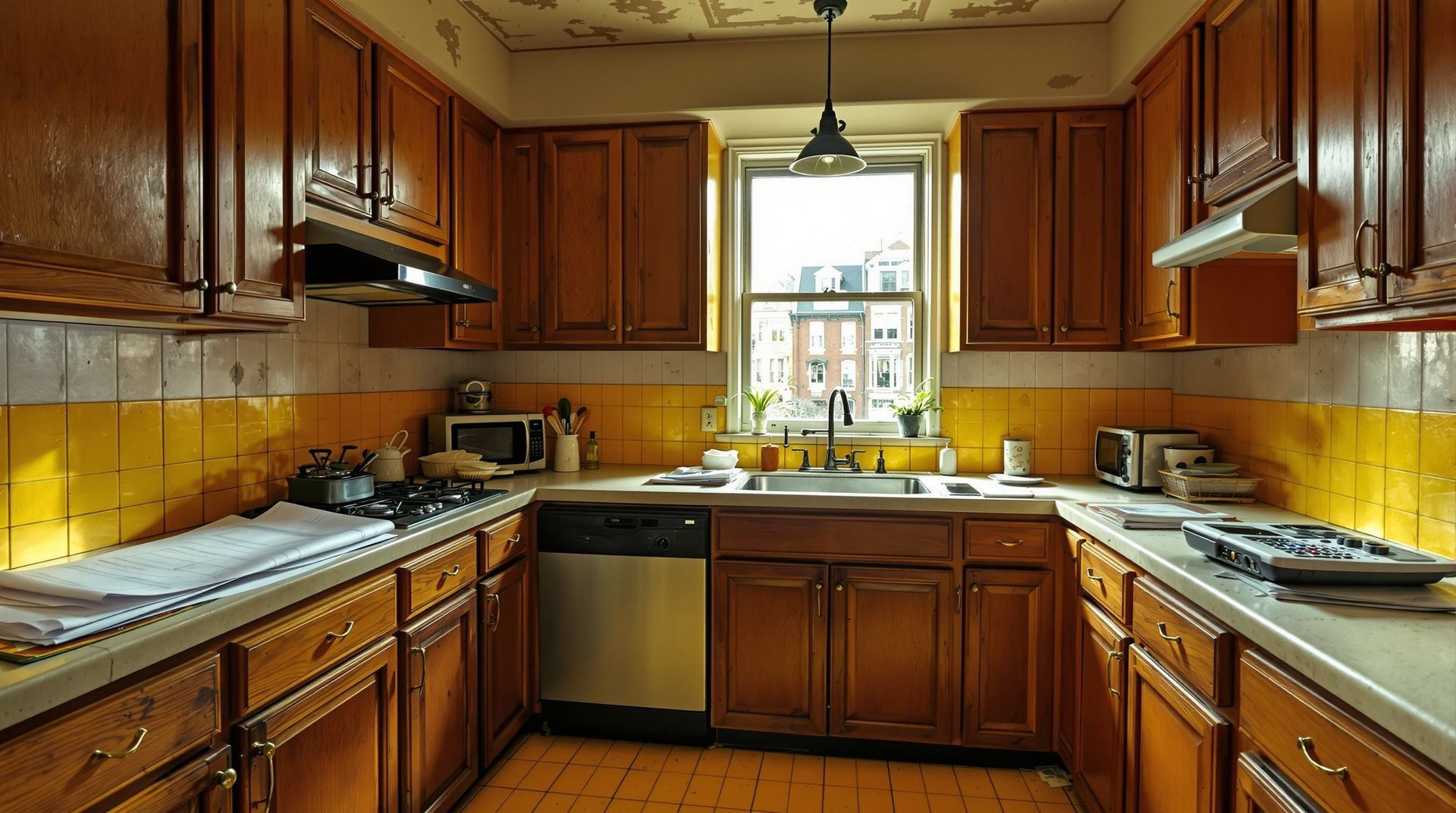
If you live in a 1960s colonial in Newton or a 1990s home in Wellesley, your kitchen probably made perfect sense when you first moved in. It was clean. Functional enough. Maybe even charming. But over time, things start to feel… tight. The kids are older. You entertain more. The island becomes homework central, snack station, and dinner prep zone all at once.
In this guide, you’ll see how thoughtful floor plans prevent expensive mistakes, how 3D rendering removes the guesswork, and how smart material selection protects both your daily comfort and your long-term home value. By the end, you’ll understand why starting with design often makes the difference between a smooth remodel and a frustrating one.

Why Professional Kitchen Design Prevents Costly Remodeling Mistakes
You probably start your kitchen remodeling project feeling excited. You’re picturing a bigger island, better lighting, and cabinets that finally have enough storage. But without proper planning, that excitement can fade quickly once construction begins.
If you live in a Boston-area home built between the 1950s and 1980s, your kitchen was likely designed for smaller appliances and closed-off rooms. Now, you want open sightlines, space for two people to cook at the same time, and an island that actually works for everyday life. The challenge is that those goals do not always line up neatly with existing plumbing, load-bearing walls, or clearance requirements.
That’s where professional kitchen remodeling makes a difference for you. Before demolition begins, your layout is carefully evaluated. The work triangle between your sink, stove, and refrigerator should typically measure between 4 and 9 feet per side. Walkways need about 42 to 48 inches between opposing counters. Appliance doors need proper landing space so you are not squeezing past them every morning.
In our experience working throughout Needham, Natick, and Lexington, unresolved layout conflicts often add 5 to 15 percent to a project through change orders. When floor plans are finalized early, your budget becomes more predictable and your timeline more stable. Instead of solving problems mid-build, you move forward with clarity.
How 3D Rendering Eliminates Guesswork
Flat drawings only tell part of the story. Most homeowners cannot fully visualize cabinetry heights, island proportions, and lighting placement from technical drawings alone.
That is where 3D rendering makes a meaningful difference.
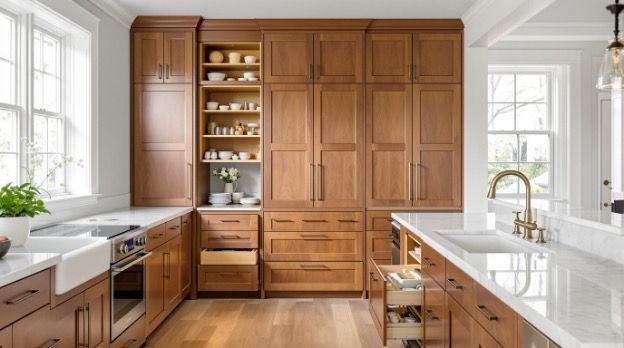
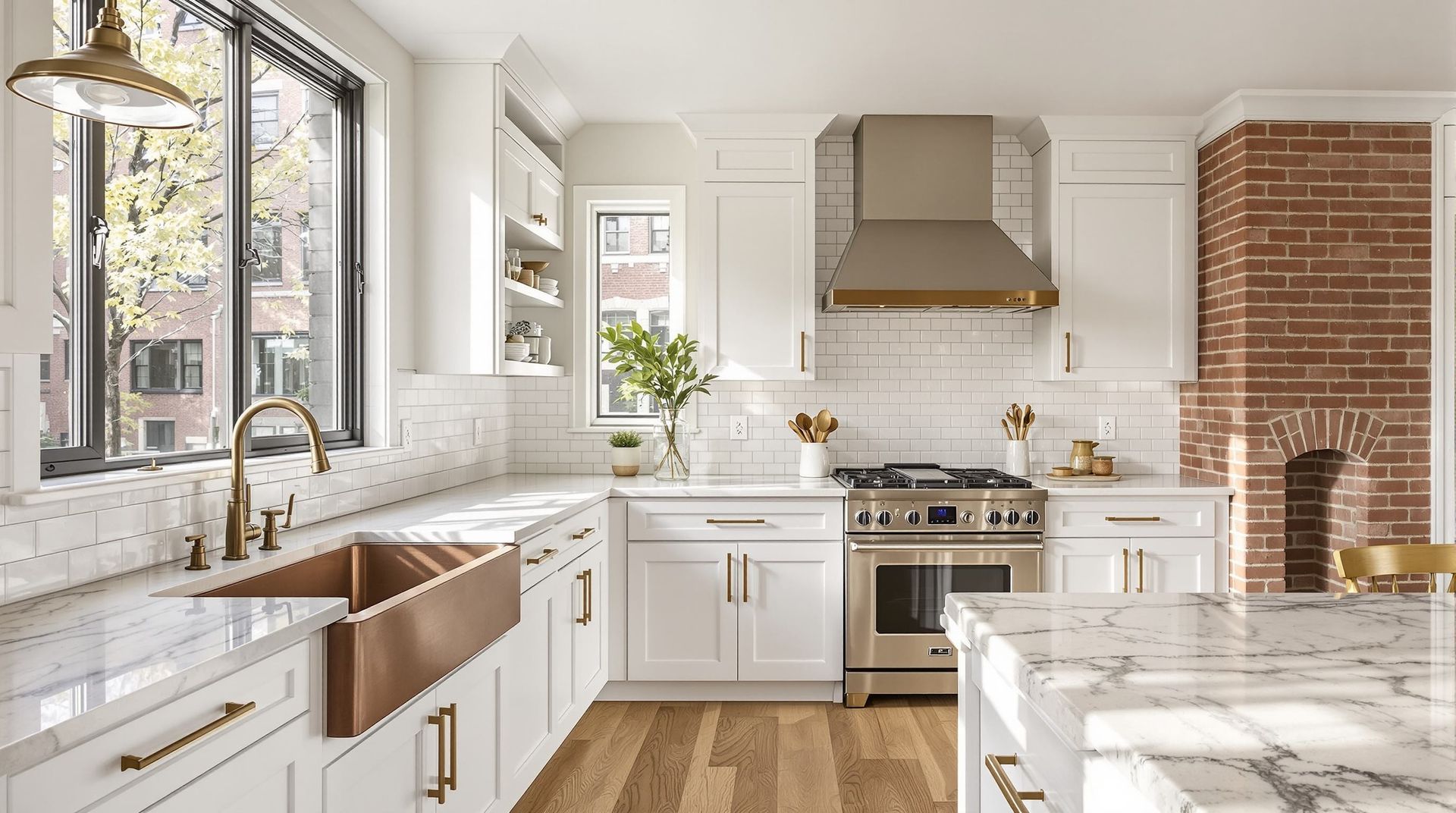
Using advanced 20/20 design software, your future kitchen is recreated in full color before construction begins. You can see how painted cabinetry pairs with quartz countertops. You can evaluate whether a 7-foot island feels balanced or oversized. You can understand how pendant lighting interacts with recessed fixtures.
This visualization process allows you to:
- Compare multiple layout options side by side
- Adjust material combinations before orders are placed
- Confirm sightlines into adjacent family rooms
- Approve details with confidence
Many regrets happen when decisions are rushed. A small cabinet sample may look perfect in isolation, but feel completely different once installed. Working with a team that specializes in professional kitchen Design reduces that risk by showing you the full picture before any materials are purchased.
Smart Floor Plans That Reflect Real Life
A beautiful kitchen that functions poorly becomes frustrating quickly. Smart floor plans are built around daily habits, not just aesthetics.
Traffic Flow in Classic Boston Homes
Older colonials in Wellesley or split-levels in Waltham often have tight footprints. Removing a wall might sound simple, but structural framing and mechanical systems complicate that choice. Careful planning weighs whether to open the space fully or improve flow within existing boundaries.
Clearances matter more than square footage. You need enough space for someone to unload groceries while another person preps dinner. You need room behind island seating so guests are not blocking walkways. These measurements shape comfort every single day.
Storage That Works Harder
Storage planning goes beyond adding more cabinets. It involves placing the right storage in the right location.
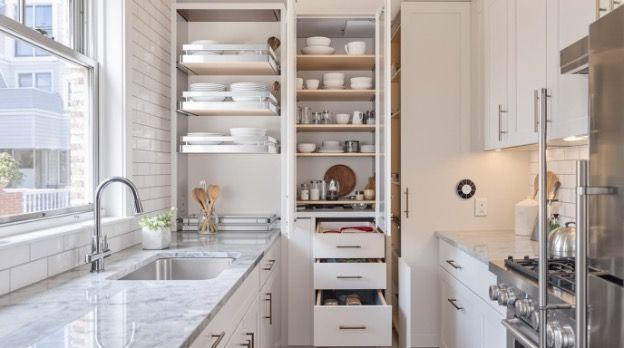
Thoughtful kitchen cabinets design influences how much usable space you actually gain. Interior accessories, soft-close hardware, and proper cabinet depth transform daily routines. When storage aligns with how you cook and entertain, your kitchen feels larger without expanding its footprint.
Material Selection That Balances Beauty and Durability
Material selection often determines how your kitchen performs five or ten years from now. Cabinetry typically represents 30 to 40 percent of a total remodeling investment. That makes durability just as important as appearance.
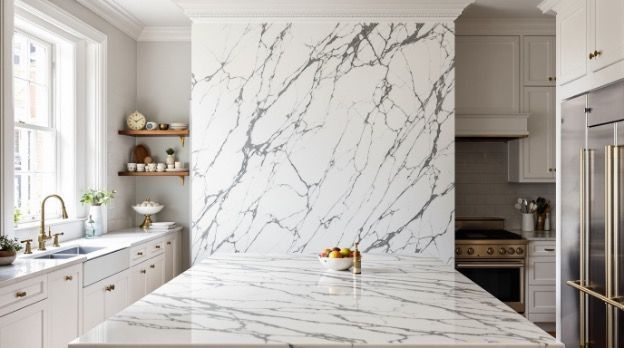
Painted finishes provide a clean, timeless look but may show wear in high-traffic homes. Certain wood stains can mask daily use more effectively. Quartz countertops offer consistency and low maintenance, while natural stone delivers unique character but requires periodic sealing.
Massachusetts climate conditions also influence material performance. Winter heating systems can dry indoor air, while humid summers create expansion and contraction. Stable, well-constructed materials reduce seasonal movement and long-term issues.
Seeing materials in person and comparing finishes side by side supports better decision-making. Professional Kitchen Design connects material selection with layout, lighting, and overall flow so the final result feels cohesive rather than pieced together.
Coordinated Remodeling Creates Smoother Projects
Hiring separate trades without a unified plan often creates confusion. Delivery schedules misalign. Measurements vary. Accountability becomes unclear.
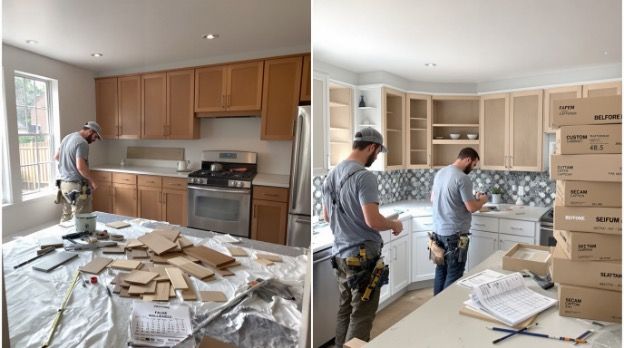
A coordinated approach tokitchen remodeling aligns design, permitting, ordering, and installation from the beginning. In Massachusetts suburbs such as Westwood or Lexington, permit approvals can take 1 to 3 weeks, depending on the scope. Electrical upgrades or plumbing relocations require inspections at specific stages.
A typical sequence includes:
- Finalized floor plans and signed selections
- Permit submission and approval
- Cabinet ordering aligned with confirmed lead times
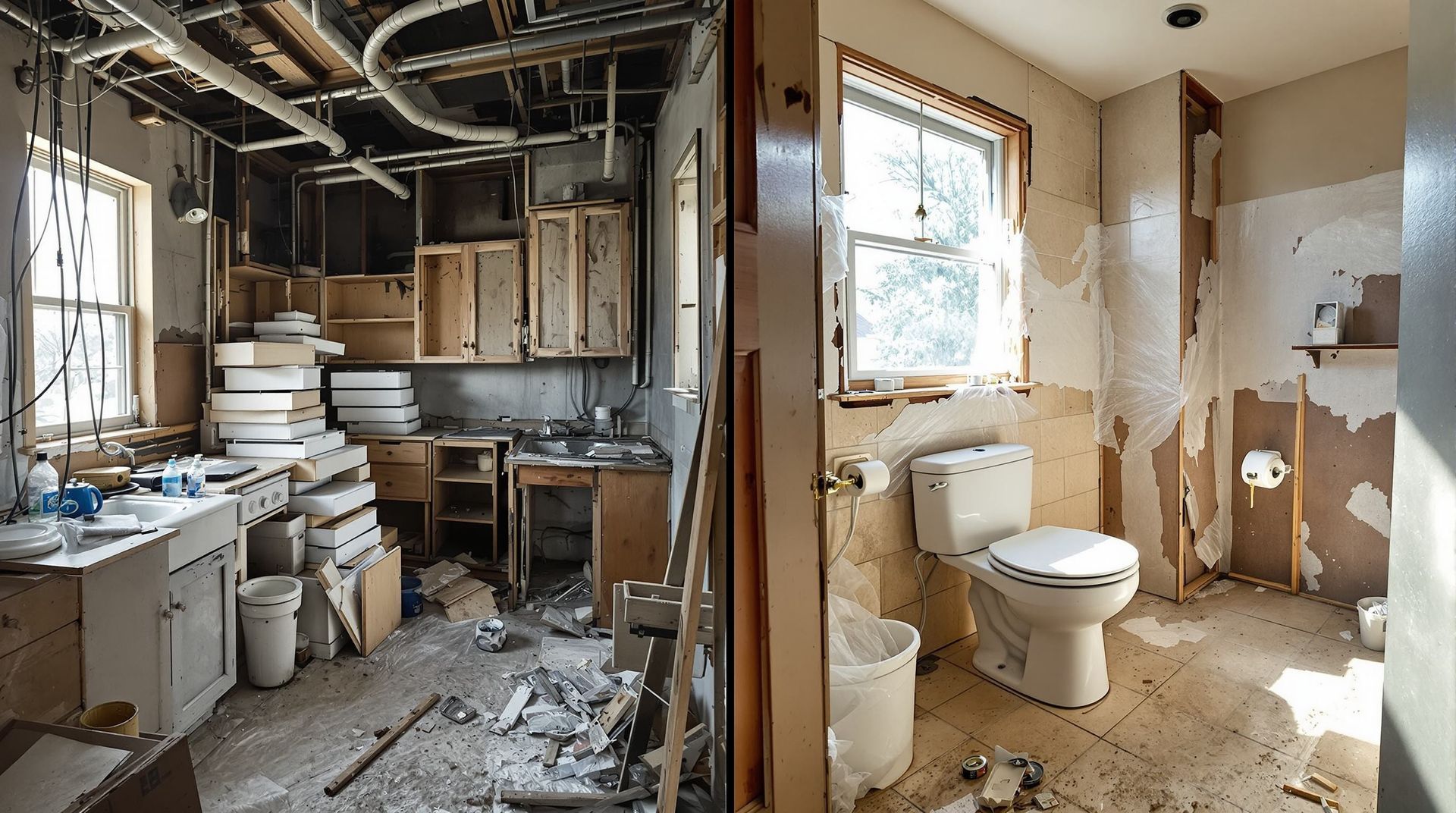
- Demolition and rough mechanical work
- Installation and final walkthrough
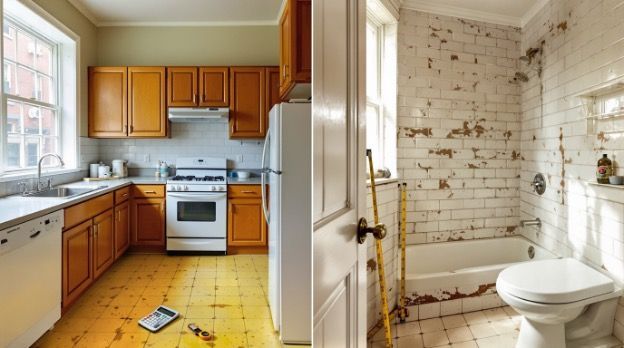
Living without a kitchen for 6 to 10 weeks is realistic for many Boston-area projects. Planning a temporary setup before demolition begins helps maintain daily routines. The same structured planning approach applies to a bath remodel, where coordination between trades directly affects the timeline and finish quality.
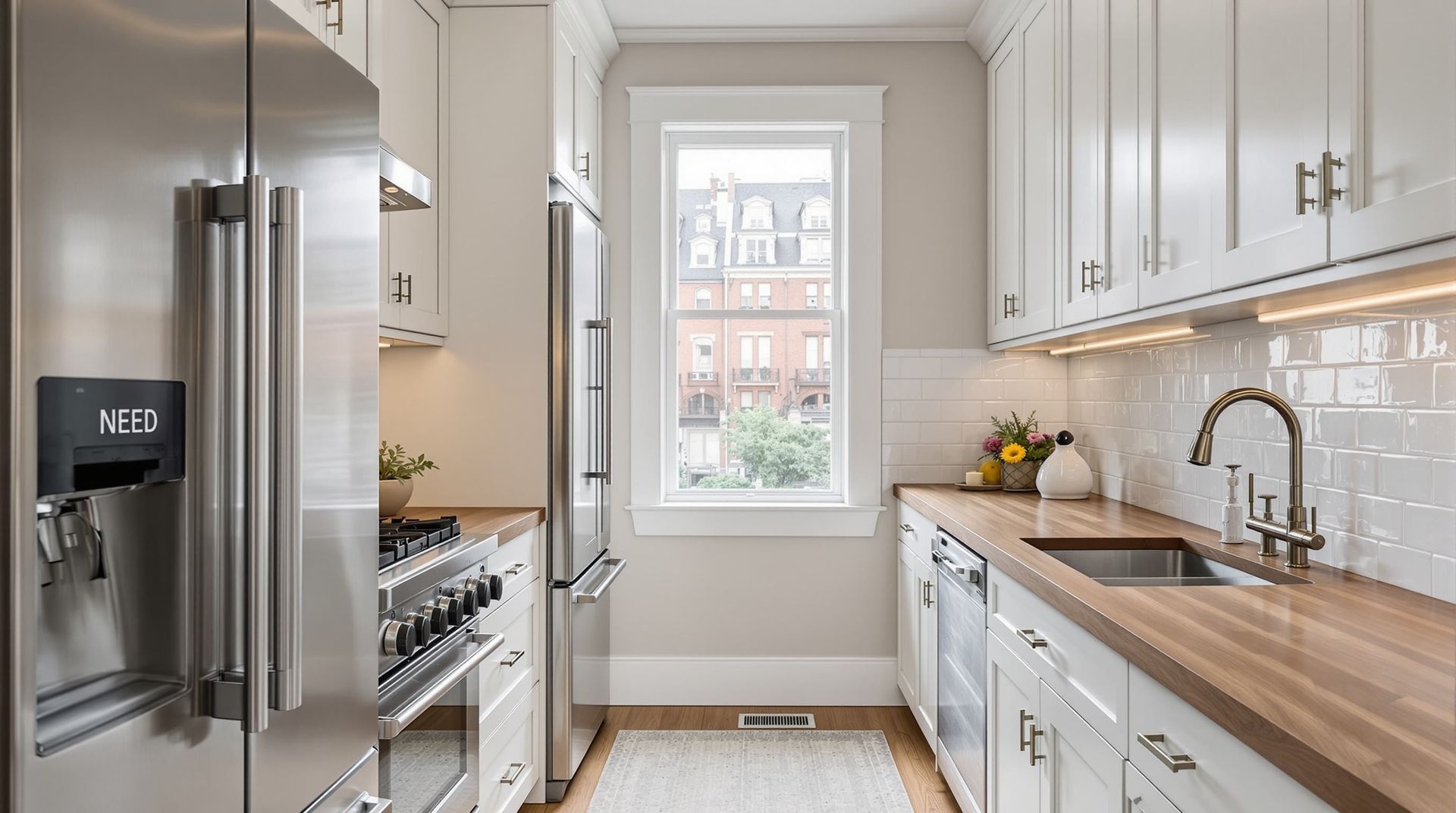
How Professional Kitchen Design Protects Long-Term Value
In Greater Boston suburbs, buyers expect updated layouts and durable finishes. Cosmetic upgrades alone rarely meet that expectation. Layout improvements, storage efficiency, and quality materials carry more weight during resale.
Real estate professionals often estimate kitchen remodel return on investment between 50 and 70 percent depending on scope and market timing. Projects that improve flow and functionality typically perform better than surface-level updates.
Expanding an island to seat three or four people transforms how a 2,500 square foot colonial feels during showings. Opening sightlines between kitchen and family room creates a sense of spaciousness without increasing square footage. These improvements shape buyer perception immediately.
Even if you are not planning to sell soon, living in a well-designed space improves daily life. Reduced frustration, smoother routines, and efficient storage add value year after year.
Conclusion
A kitchen remodel is a major investment, especially in older Greater Boston homes where hidden wiring, tight layouts, and small measurement errors can quickly create frustration. That is why professional kitchen design matters.
When floor plans are finalized, materials are selected thoughtfully, and 3D renderings show you exactly what to expect, the process becomes far less stressful. The result is a kitchen that flows naturally, fits the room properly, and works the way you hoped it would.
At Prestige Kitchen & Bath, we believe great remodels start with thoughtful design. Our team works closely with you to create detailed floor plans and 3D renderings so you can move forward with confidence. If you’re planning a kitchen remodel in Needham, Newton, Wellesley, or nearby Boston suburbs, contact us today to begin the conversation.
Frequently Asked Questions
Design fees in the Greater Boston area typically range from $2,000 to $8,000 depending on complexity and customization. Larger kitchens with structural adjustments fall toward the higher end. Many homeowners find that thorough planning reduces mid-project changes and protects their overall budget.
Most kitchen remodeling projects take between 6 and 10 weeks once construction begins. Permit approval may add 1 to 3 weeks before demolition starts. Custom cabinetry lead times, often 6 to 12 weeks, also influence the overall schedule.
An interior designer is not required, but professional kitchen design improves layout efficiency, material coordination, and finish cohesion. Detailed floor plans and 3D rendering reduce guesswork and align decisions before installation.
Look for clear floor plans, realistic timelines, detailed 3D rendering, and a strong local portfolio in towns like Wellesley or Lexington. Ask how change orders are handled and who is responsible for design decisions. A structured process is often the clearest sign of a smooth remodeling experience.