How to Plan a Kitchen Remodel Without Costly Mistakes
Plan a Kitchen Remodel | Expert Tips | in Boston, MA
Quick Take: Planning a kitchen remodel in Boston takes careful budgeting, a clear design phase, and a realistic project timeline. Most projects cost $30,000 to $80,000 or more and take several months from planning to completion. A structured approach helps you avoid delays, change orders, and expensive surprises.
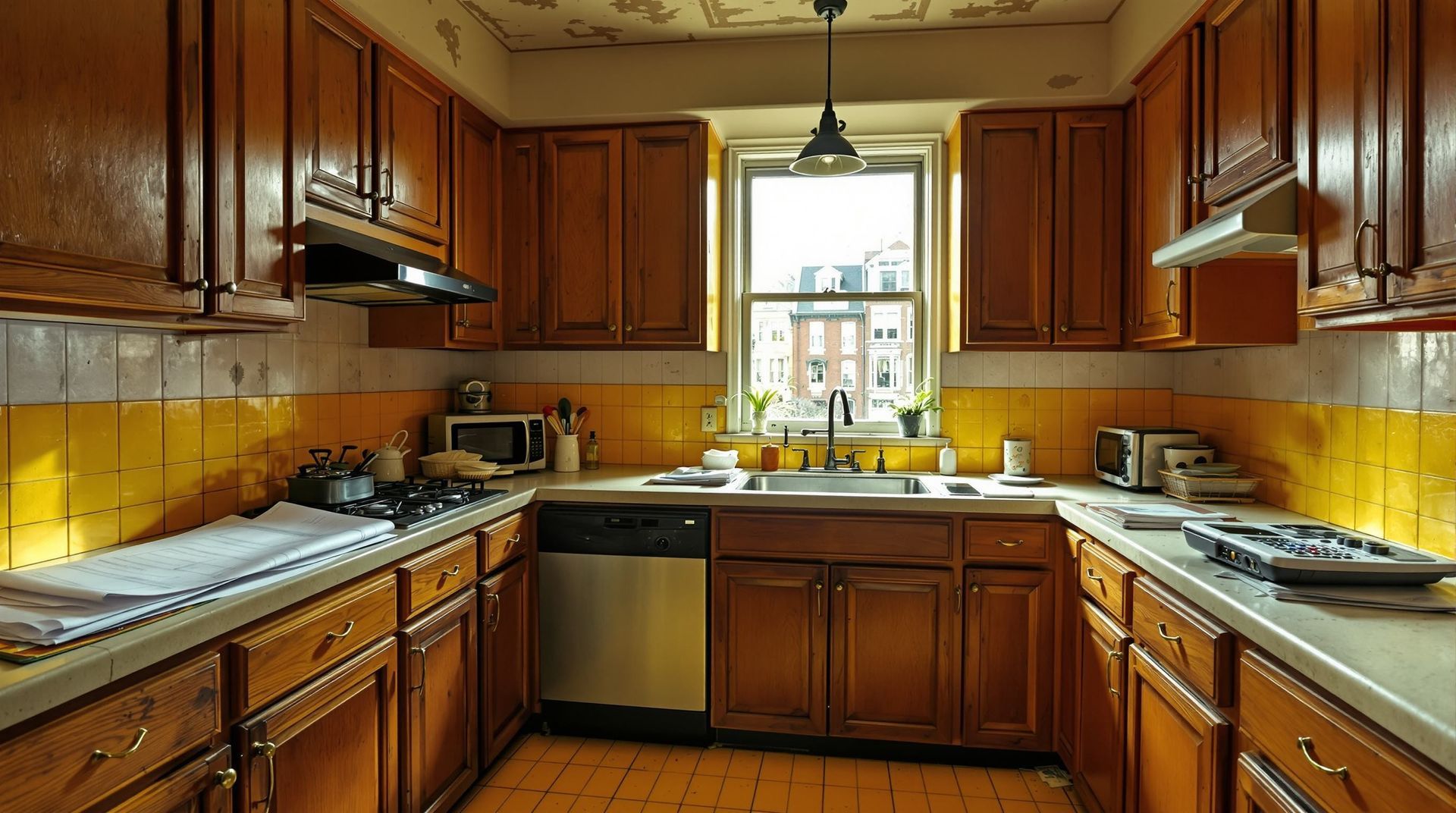
If your kitchen was last updated in the 1990s or early 2000s, you’re probably feeling it. Storage is tight, the layout slows you down, and the space no longer fits how your household lives today. Planning a remodel should feel exciting, but for many Boston homeowners, the bigger concern is avoiding budget surprises, delays, or a finished result that doesn’t match expectations.
In the sections below, you’ll learn how to plan a kitchen remodel step by step, from building a practical renovation checklist to choosing materials and hiring the right contractor. Each step focuses on helping you avoid the mistakes that drive up costs and disrupt your routine.

Step 1: Start With a Realistic Budget and Contingency
Start by deciding what you’re comfortable investing before you look at layouts or finishes. In Boston, most homeowners spend between $30,000 and $80,000 or more, depending on the size of the kitchen, cabinet quality, and how much the layout changes. Costs climb quickly if you move plumbing or gas lines, open walls, or update electrical in older homes.
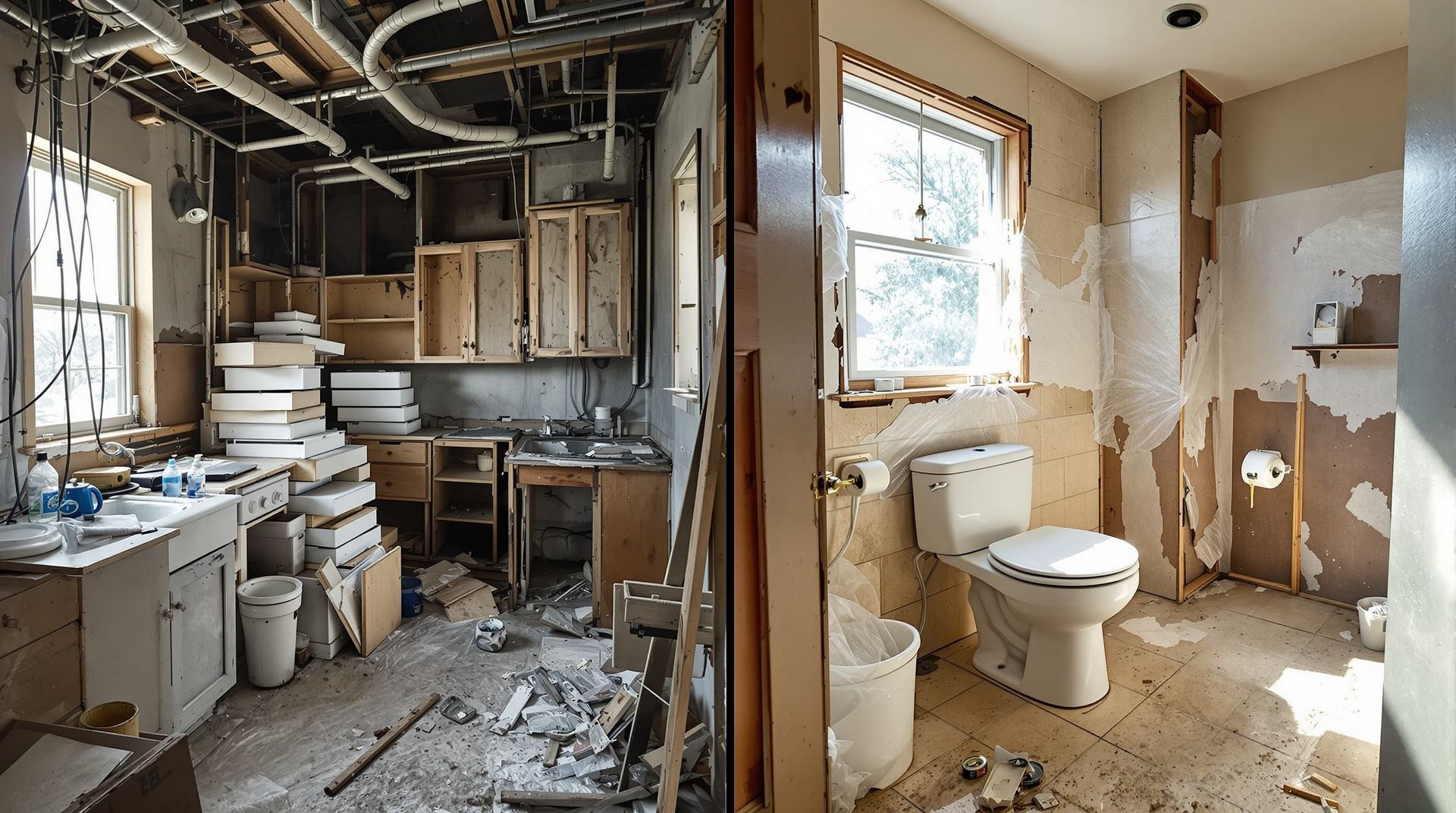
Plan to hold back an extra 10 to 20 percent as a contingency. Once demolition begins, it’s common to uncover outdated wiring, hidden water damage, or framing that needs correction. Having that cushion keeps the project moving instead of forcing last minute compromises.
It also helps to rank your priorities early. Decide what matters most to you, whether that’s better storage, higher quality cabinetry, or a more functional layout. Our team often walks homeowners through these trade offs upfront so the plan stays realistic and the budget stays under control.
Step 2: Create a Renovation Checklist Before Any Design Decisions
Before you get into colors or cabinet styles, take a step back and think about how your kitchen works day to day. A clear renovation checklist keeps your planning focused and makes it easier to communicate your needs once the design phase begins.
Start by writing down the details that will shape your remodel:
- How you use the kitchen, cooking daily, entertaining, or having quick family meals
- Appliances you want to keep, replace, or upgrade
- Storage needs, including pantry space and small appliance storage
- Lighting improvements, such as task lighting or under-cabinet lighting
- Material preferences and how much maintenance you’re willing to handle
- A target budget range and your top priorities
- A plan for a temporary kitchen during construction
- Your ideal timing or any important deadlines
Putting these decisions on paper helps you plan a kitchen remodel with fewer surprises and keeps the project aligned with your routine, not just the final look.
Once your goals are clear, you’re ready to focus on the most important part of the project, the layout.
Step 3: Get the Layout Right During the Design Phase
Layout decisions affect how your kitchen works every single day, and they’re also the most expensive to change later. Many Boston homes were designed decades ago, which often means tight walkways, limited counter space, or appliances competing for the same area.
Fix Workflow Problems First
Think about how you move between the sink, refrigerator, and range. That path should feel natural, not crowded or blocked. Most kitchens need about 42 to 48 inches of clearance in main walkways so two people can move comfortably. Adjusting cabinet placement or resizing an island often improves daily use more than any material upgrade.
Finalize the Layout Before Choosing Finishes
Lock in your layout before selecting cabinets, countertops, or tile. Moving plumbing, gas lines, or electrical after materials are ordered can cause delays and added costs. Working through a professional kitchen design plan with accurate measurements and 3D renderings helps you catch conflicts early and see how everything will fit before construction begins.
Once your layout is set, the next step is building a realistic schedule, so you know what to expect from planning through installation.
Step 4: Build a Realistic Project Timeline for Boston Homes
Give yourself more time than you think you’ll need. Planning a kitchen remodel in Boston often takes several months from the first consultation to the final walkthrough, and tight schedules usually lead to rushed decisions or delays.
Expect about 4 to 8 weeks for the planning and design phase. During that time, measurements are confirmed, the layout is finalized, and materials are selected. Ordering products can take another 4 to 10 weeks, especially for cabinetry that’s built to order. Once everything arrives, construction typically runs 4 to 8 weeks, depending on the scope.
Local factors can stretch the timeline. Permit approvals, condo rules, and winter weather all affect scheduling. Older homes also tend to reveal hidden issues after demolition, which can add repair time before new work begins.
Step 5: Choose Materials and Kitchen Cabinets That Last
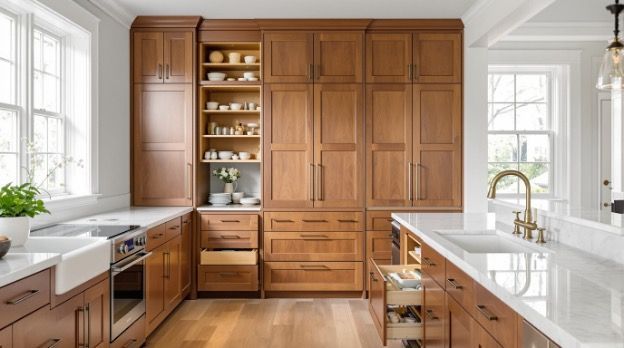
Material choices affect more than appearance. Your kitchen handles daily traffic, spills, heat, and constant cleaning, so durability should carry just as much weight as style. Cabinetry alone often accounts for 30 to 40 percent of the total project cost, making it one of the most important decisions you’ll make.
Many Boston homeowners choose materials that balance strength and low maintenance, such as:
- Solid wood or plywood cabinet construction instead of particleboard
- Quartz countertops for stain resistance and easy care
- Porcelain or ceramic tile flooring for moisture protection
- Engineered hardwood for a warmer look with better stability
- Soft-close hinges and drawer glides to reduce wear over time
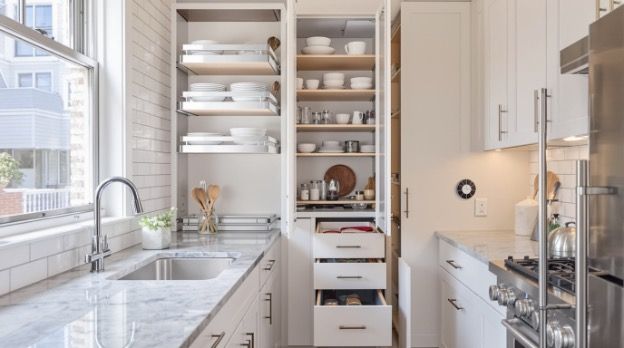
Storage design also makes a big difference. Deep drawers, pull out pantry shelves, and built-in organizers keep everyday items accessible and reduce clutter. Exploring options for kitchen cabinets helps you match quality, features, and budget.
After materials are selected, your focus should shift to the people managing the work.
Step 6: Hire the Right Contractor and Understand the Process
Choosing the right contractor plays a major role in keeping your project on budget and on schedule. A reliable team communicates clearly, plans ahead, and handles issues before they turn into expensive problems.
Here are key factors to consider:
- Local experience with Boston homes and building requirements
- Proper licensing and insurance
- Detailed written estimates that outline scope, materials, and timeline
- Clear communication and a single point of contact
- A defined process for handling changes or unexpected issues
Many older homes come with tight access, outdated systems, or structural surprises, so local knowledge matters. Working with a company that offers full service kitchen remodeling helps keep design, materials, and construction coordinated from start to finish.
With your contractor selected and the schedule confirmed, the final step is preparing your home for the disruption that comes with construction.

Prepare for Life During Construction
Living through a kitchen remodel takes some planning, especially if the space will be completely out of service. Most projects run 4 to 8 weeks during construction, and daily routines can feel challenging without a working kitchen.
Set up a simple temporary kitchen in another area of your home. A microwave, toaster oven, coffee maker, and small refrigerator can handle basic meals. Many homeowners also use a folding table for prep and stock up on easy to prepare foods.
Expect some noise, dust, and limited access while work is underway. If you work from home or have pets, it helps to plan quiet areas or temporary arrangements. Scheduling the project around travel or slower seasons can also make the process easier.
Preparing ahead helps you stay comfortable during construction and keeps the project from feeling overwhelming. With these steps in place, you’ll be positioned to move forward confidently and avoid the costly mistakes that often come from rushing the planning process.
Conclusion
Planning a kitchen remodel in Boston is all about making smart decisions early. A clear budget, a well thought out layout, durable materials, and a realistic timeline help prevent the delays and costly changes that often happen when projects move forward without a solid plan. When every detail is worked out before construction begins, the process feels more organized, less stressful, and far more predictable from start to finish.
If you’re ready to plan your remodel the right way, contact us today to schedule a free consultation. At Prestige Kitchen & Bath, you’ll see your exact kitchen in full color 3D before any construction begins, so you can make decisions with confidence. You can also visit our showroom at 14 Charles St, Needham Heights, MA to compare cabinetry, countertops, and finishes in person.
Frequently Asked Questions
Most kitchen remodels in Boston range from $30,000 to $80,000 or more depending on size, layout changes, and cabinet selection. Detailed planning helps prevent change orders that increase the final cost.
Planning and design usually take 4 to 8 weeks, material ordering can take another 4 to 10 weeks, and construction typically lasts 4 to 8 weeks.
Bring in a design professional early, before selecting materials or requesting contractor bids. A clear layout and scope lead to more accurate pricing and fewer surprises.
Yes. Many homeowners coordinate their kitchen with updates shown in recent bathroom designs to keep styles consistent and manage renovation timelines more efficiently.