Kitchen Remodeling for Older Homes
Kitchen Remodeling for Older Homes in Boston, MA
Quick Take: Remodeling a kitchen in an older Boston home usually takes a bit more planning. Many houses still have older wiring, structural quirks, and local permit requirements that can affect the schedule. Most projects fall somewhere between $40,000 and $90,000, and once construction starts, the work typically takes about 6 to 10 weeks.
With good planning and a clear design upfront, you can keep the character that makes the home special while creating a kitchen that actually fits the way you cook, gather, and use the space every day.
Why Older Boston Homes Need a Different Remodeling Approach
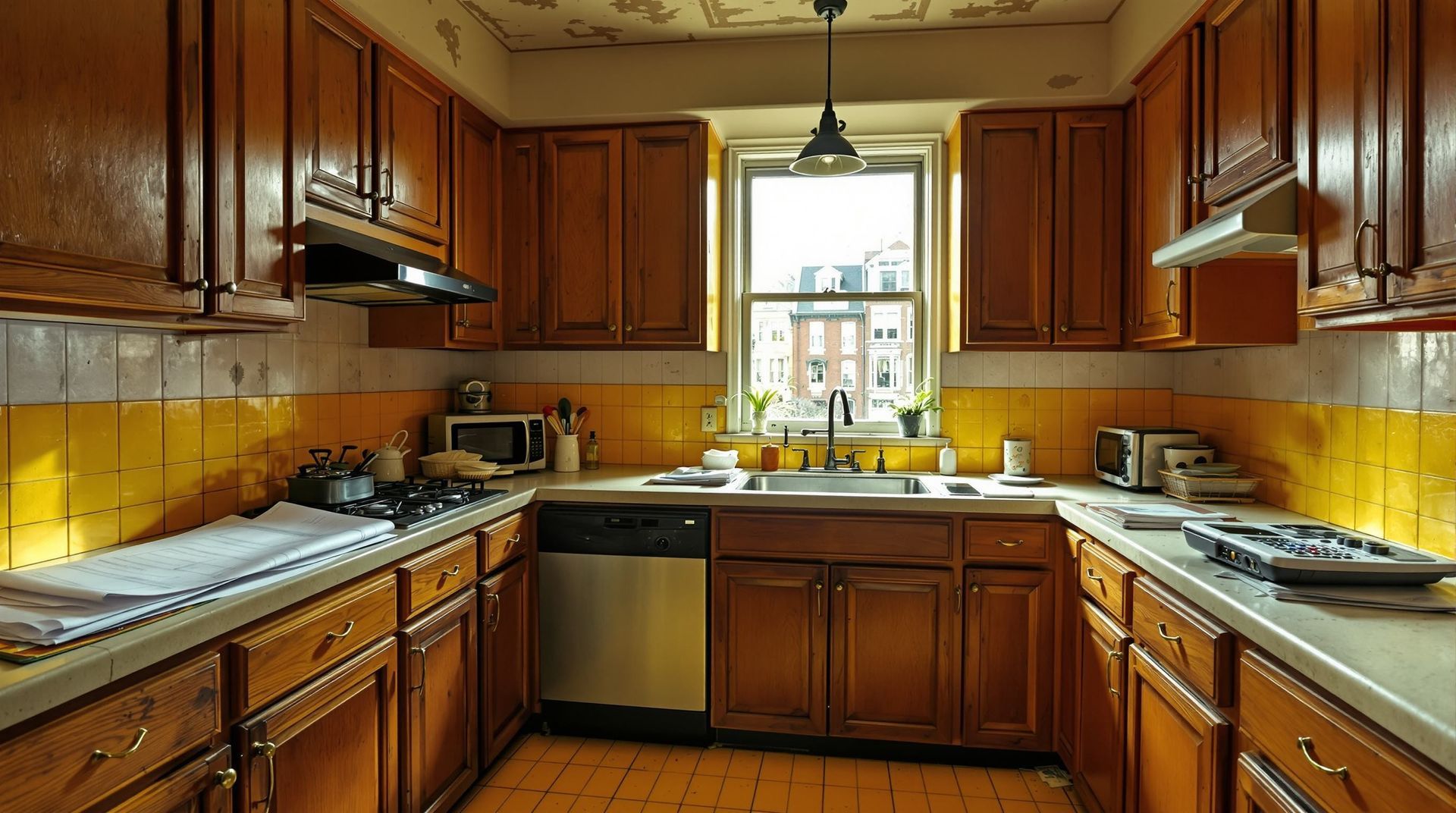
If you live in an older home, you probably feel it every day. The kitchen just was not built for how families live now. Many homes in Newton, Needham, and Wellesley still have layouts from the 1950s through the 1970s, when appliances were smaller, and the kitchen was meant to be closed off from the rest of the house.
Today, you want more storage, better lighting, and space where people can move around without bumping into each other. The challenge is making those changes without fighting the structure or losing the character that made you choose the home in the first place.
Older houses often have solid construction, original trim, and architectural details that are worth keeping. The goal is simple. Make the kitchen work better without losing what makes the house feel like your home.
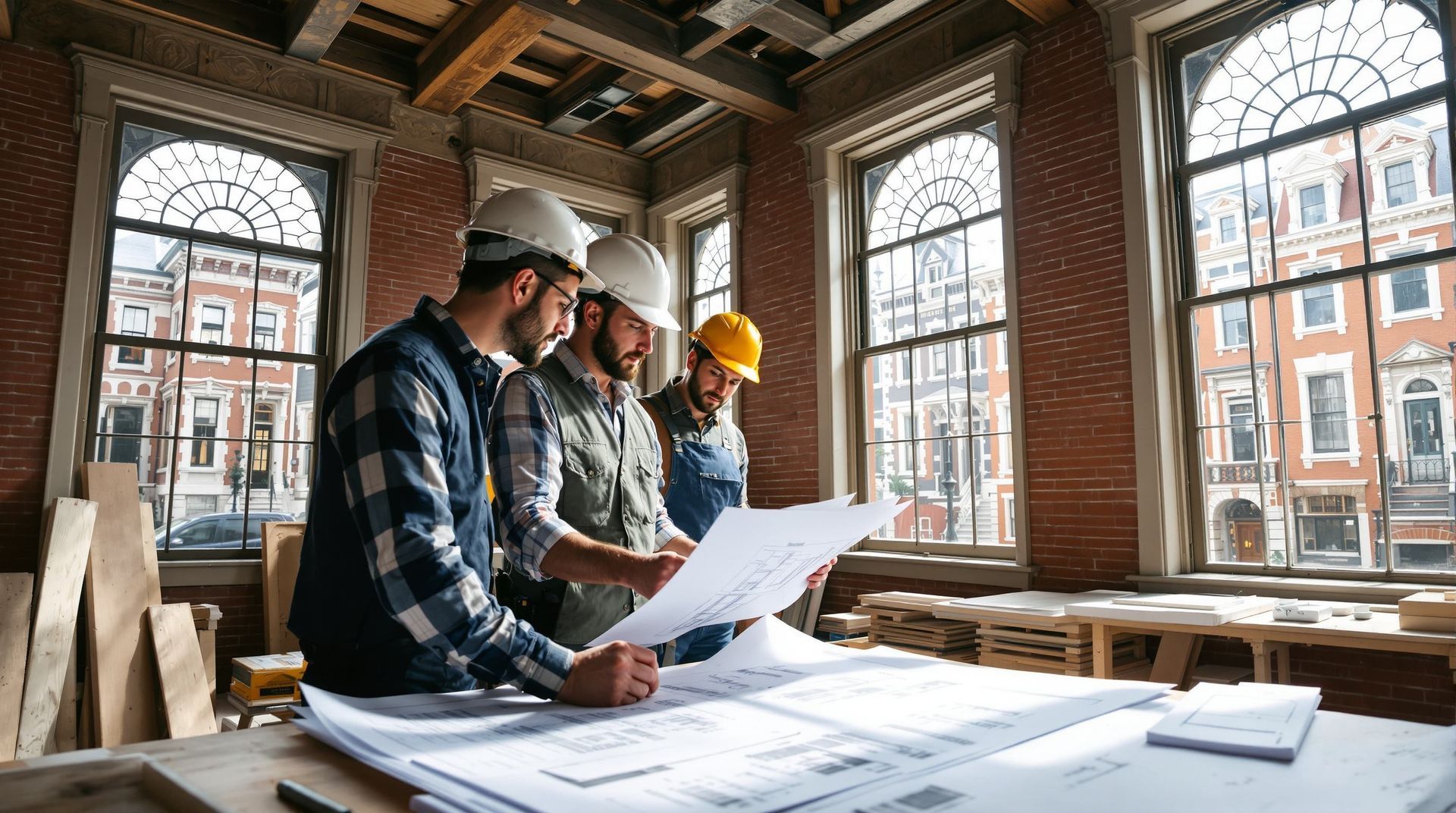
That is why careful planning matters in kitchen remodeling. We look at layout, structure, and mechanical systems together so the finished space feels updated but still fits the home.
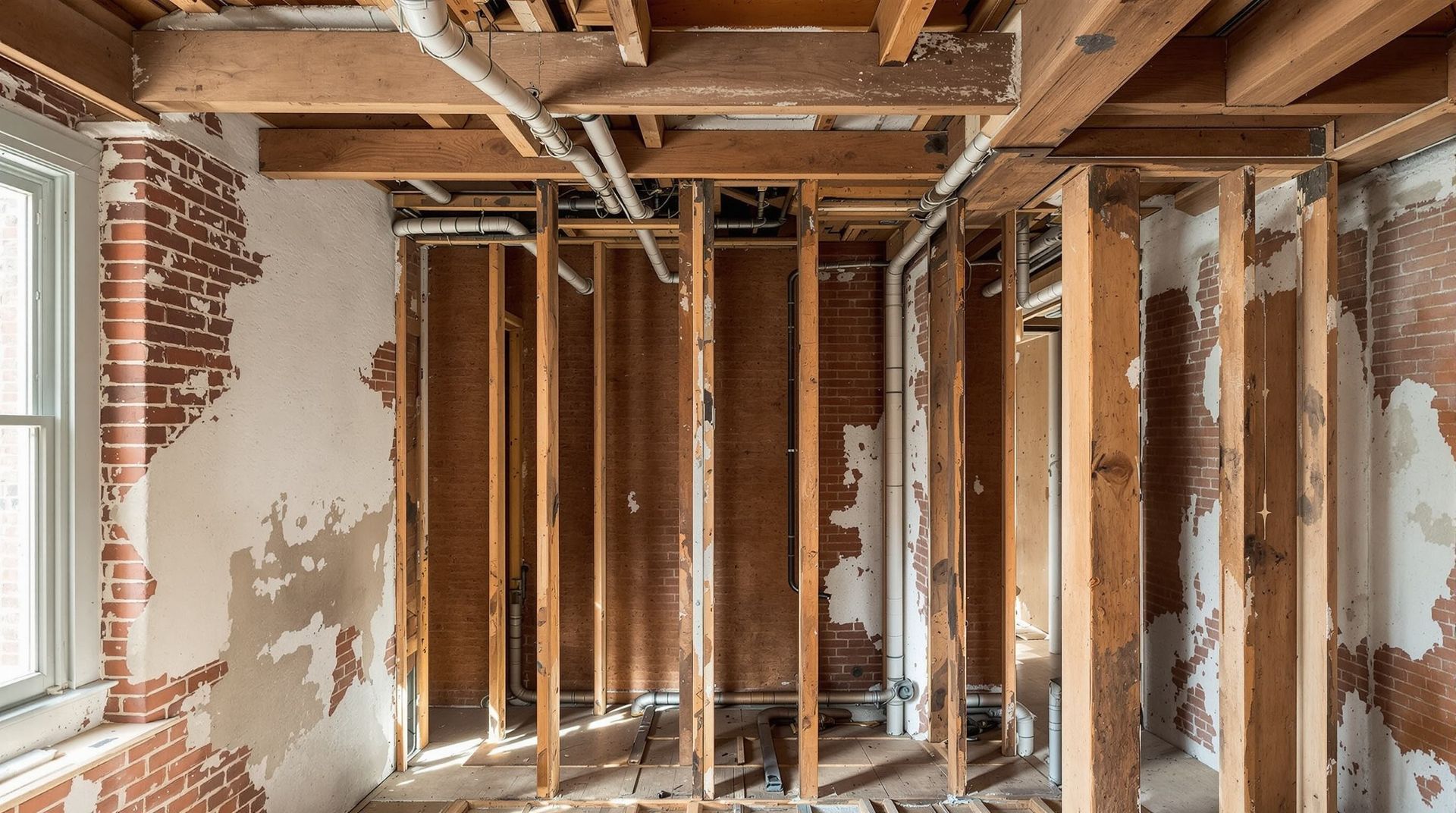
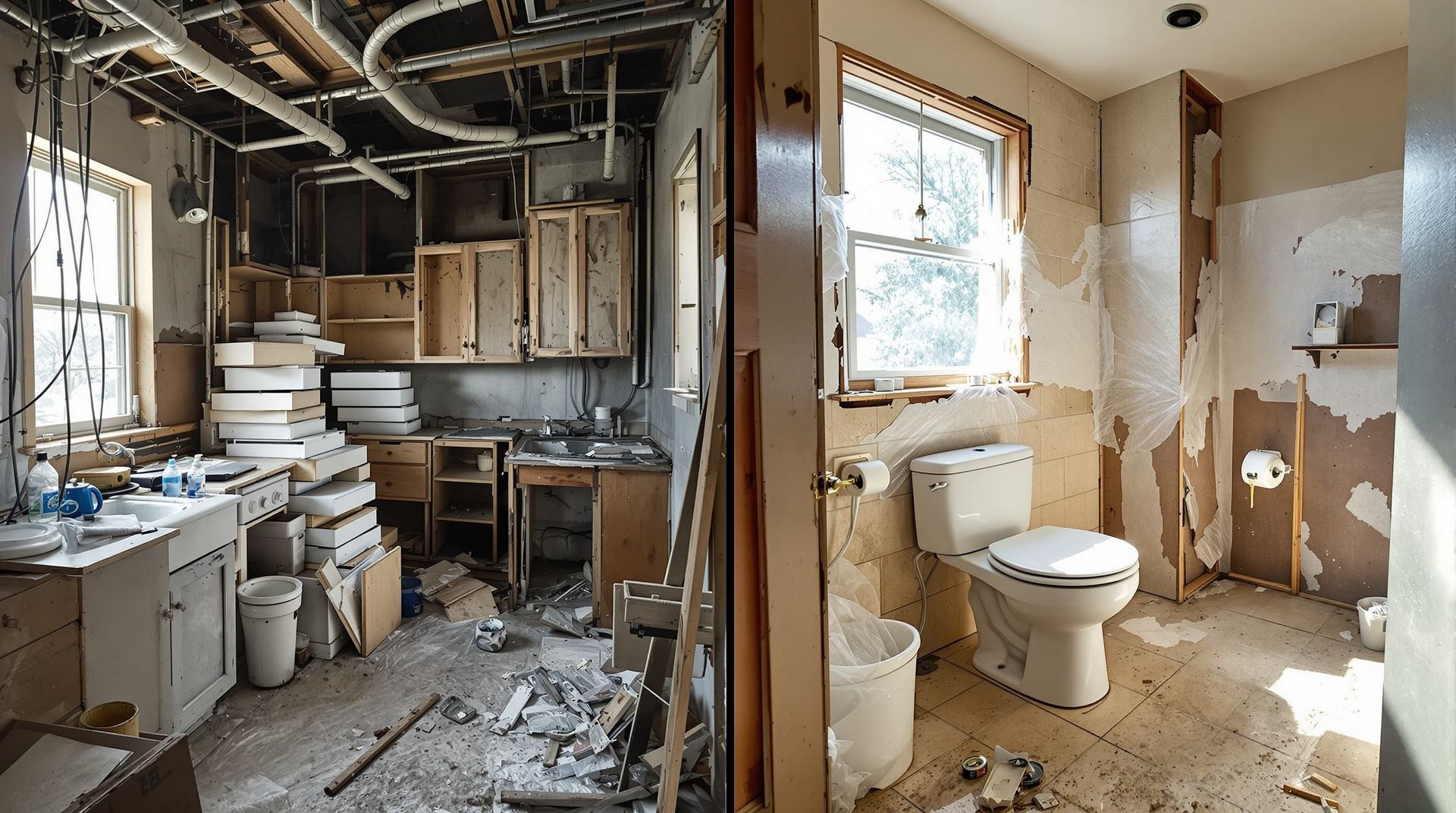
What You Might Discover Once the Walls Open
One thing to know about older homes is that surprises are common. Many problems stay hidden for decades and only show up after demolition begins. Planning for a small contingency in your budget helps you handle these issues without added stress.
Electrical That Can’t Keep Up
Older kitchens were never designed for today’s electrical demand. Limited circuits, outdated panels, or older wiring systems are common in Boston-area homes. You may see most remodels that requires new circuits or panel upgrades. These kinds of remodels are safe for appliances and meet current code.
Plumbing That Limits Your Layout
Galvanized pipes, awkward drain locations, and limited venting can affect where your sink or dishwasher can go. Moving plumbing is possible, but it adds labor and time.
Structural Challenges
Opening the kitchen to create an open layout often involves a load-bearing wall. Removing it usually requires an engineered beam. Uneven floors are another common issue and may need to be leveled before cabinets are installed.
We look for these risks during the planning phase, but with older homes, it is always smart to expect a few unknowns.
Making Small, Awkward Kitchens Work Better
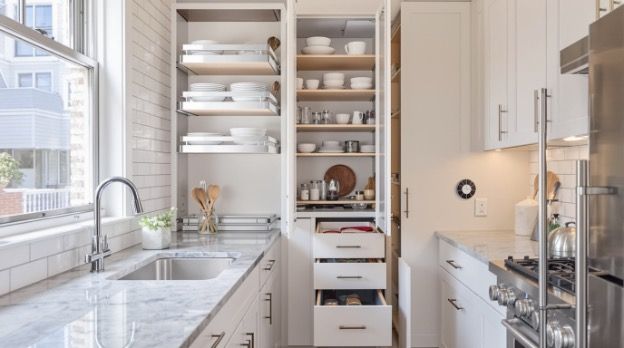
Many older kitchens feel cramped not because they are too small, but because the layout just does not work. Walkways are tight, counter space is limited, and appliance doors end up bumping into each other when opened.
Good planning starts with how you actually use the space every day. We look at your cooking habits, storage needs, and how people move through the kitchen before making any changes. In some cases, the biggest improvement comes from opening the space up, and sometimes that means removing a wall.
Other times, it means relocating appliances or choosing a smaller island that fits the room instead of forcing a large one.
With professional kitchen design, you do not have to guess how it will turn out. Our team creates full-color 3D renderings using 20/20 software so you can see the layout, materials, and lighting before construction begins.
At Prestige Kitchen & Bath, owner Tony Monteiro personally reviews every design, bringing more than 25 years of experience to each project. With over 75 years of combined design experience on our team, we often find ways to make older kitchens feel more open and efficient without changing the home’s footprint.
Keeping the Vintage Look While Updating Everything Else
A common concern we hear from Boston homeowners is this: “I want it updated, but I do not want it to look like a brand new house.”
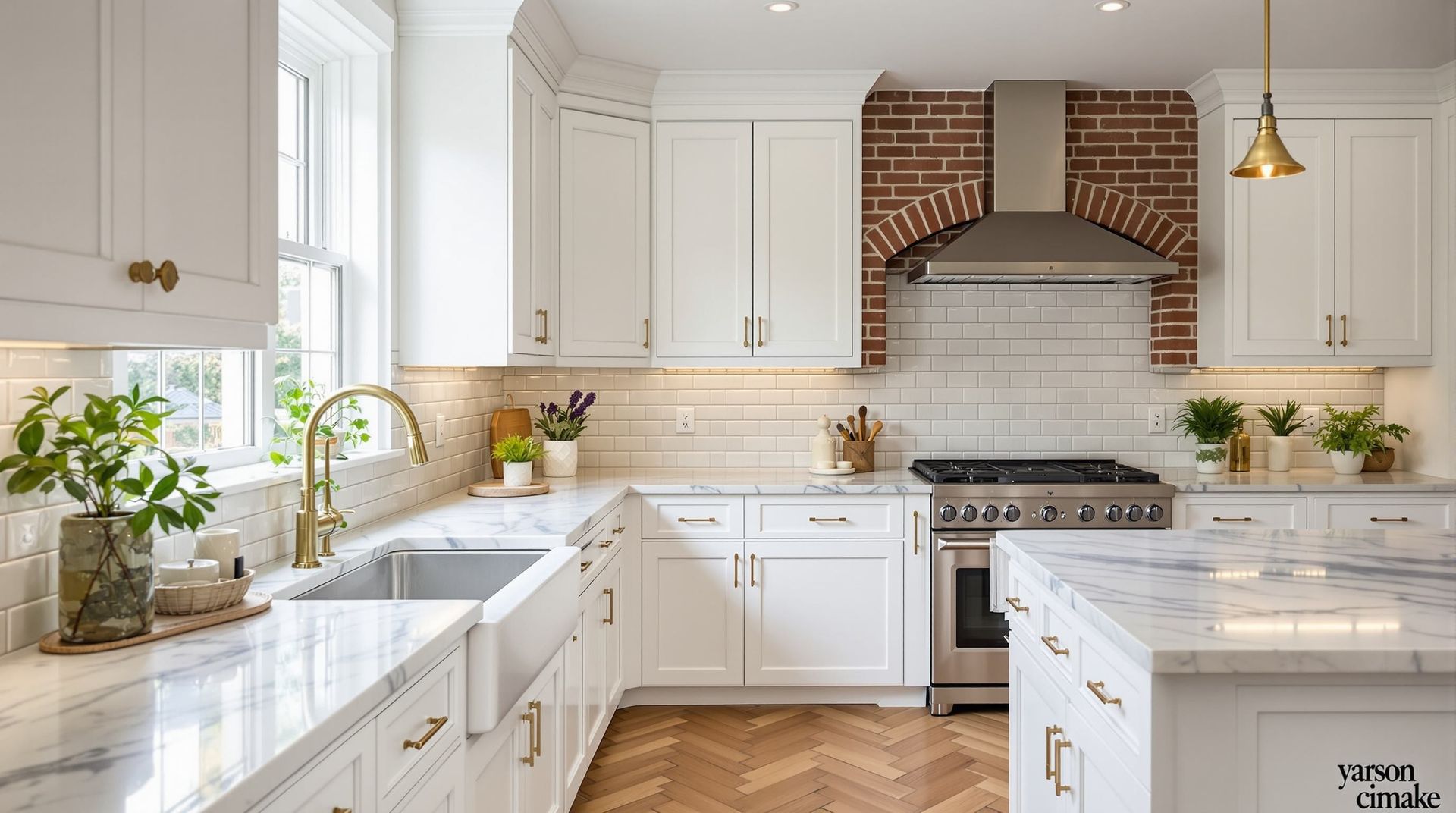
You do not have to choose between character and function. A few smart decisions help you keep the vintage style while upgrading performance.
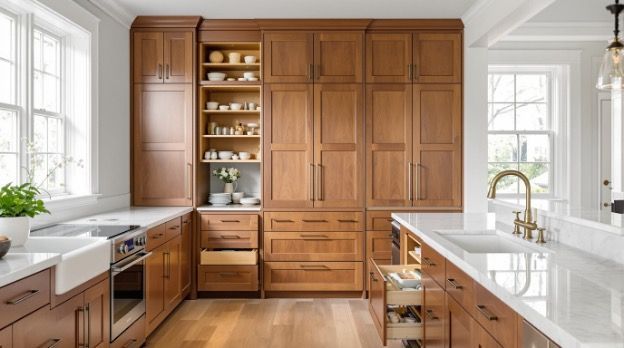
- Choose classic cabinet profiles: Shaker and inset doors work well in older homes. You can choose custom kitchen cabinets as they allow you to match original proportions and ceiling heights.
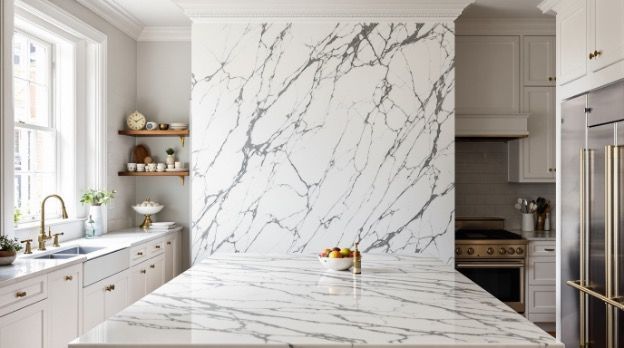
- Use timeless materials: Quartz that resembles marble or soapstone gives you durability without the maintenance.
- Stick with simple hardware and warm finishes: Bin pulls, knobs, and understated lighting keep the space consistent with the home’s age.
- Respect original details: Keeping window trim, ceiling lines, and natural transitions helps the kitchen feel connected to the rest of the house.
When it is done right, the kitchen looks like it has always belonged there.

Timeline, Permits, and Living Through the Remodel
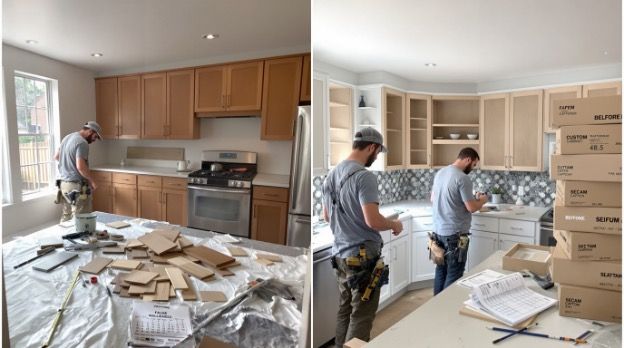
Kitchen remodeling for older homes in Boston usually takes a little longer than homeowners expect. Most projects require permits, especially if electrical, plumbing, or structural work is involved. Depending on the town, approval alone can take several weeks.
Once construction starts, most kitchen projects take about 6 to 10 weeks. If the plan includes structural changes, custom cabinets, or specialty materials, the timeline can stretch a bit longer.
For many families, the bigger challenge is day to day life while the work is happening. There will be noise, dust, and limited access to your kitchen. It helps to set up a simple temporary space with a microwave, coffee maker, and a small refrigerator so you can get through the renovation with less disruption. Many homeowners plan simple meals or rely on takeout during the busiest weeks.
Being realistic about the disruption ahead of time makes the process feel much more manageable.
What Kitchen Remodeling for Older Homes Costs in Boston
Most kitchen remodeling projects for older homes in the Greater Boston area fall between $40,000 and $90,000 or more, depending on the condition of the house and the level of customization.
Here are some of the several factors that tends to increase costs:
- Electrical upgrades or panel replacement
- Plumbing relocation or pipe replacement
- Structural changes, such as beam installation
- Custom cabinetry and built-in storage
- Permit and inspection requirements
Older homes often need more work behind the walls than newer properties. This is why costs can rise quickly, even when finishes are mid-range. That extra work is what makes the kitchen safe, efficient, and reliable for the long term.
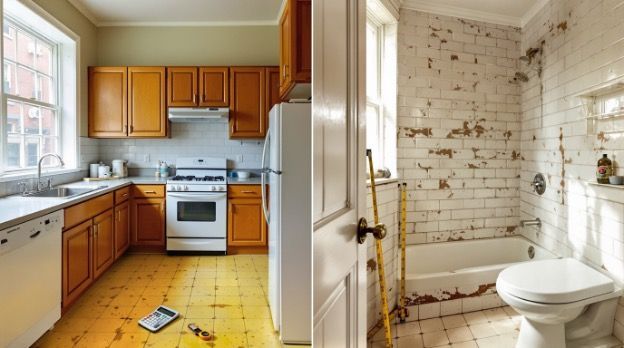
Updated kitchens also add strong value in established neighborhoods. Many homeowners update their homes in stages rather than all at once. If a bathroom remodel is part of your future plans, thinking about the overall style now can make things easier later. It helps create a consistent look throughout the home and saves you from having to rethink design choices from scratch.
Conclusion
Remodeling an older kitchen takes more planning than a standard update, but the results are worth it. When structural issues, electrical needs, and layout challenges are handled the right way, you end up with a space that feels easier to use every day while still reflecting the character of your home.
The key is going in with realistic expectations about costs, timelines, and the possibility of a few surprises along the way. With thoughtful design and the right preparation, your kitchen can feel brighter, more functional, and better suited to how you live today without losing the charm that makes older Boston homes special.
If you are starting to think about your project, our team at Prestige Kitchen & Bath is here to help you explore your options. Visit our showroom at 14 Charles St in Needham Heights or call 781-670-3909 to schedule a consultation and see what is possible for your space before construction begins.
Frequently Asked Questions
Most projects range from $40,000 to $90,000, depending on structural changes, system upgrades, and cabinet choices. Homes that require major electrical work or layout changes may cost more.
Construction usually takes 6 to 10 weeks, but design, permitting, and material lead times can add several weeks before work begins.
Not always, but many kitchens need additional circuits or panel improvements to support modern appliances and meet current safety codes.
Yes. Using classic cabinet styles, traditional finishes, and layouts that respect the original architecture allows you to improve function while keeping the vintage feel.