What Does Kitchen Remodeling Cost?
Kitchen Remodeling in Boston, MA: Cost Guide
Quick Take: Kitchen remodeling cost in Boston typically ranges from $25,000 to $75,000, depending on layout changes, cabinetry, and material pricing. Labor costs and cabinets take up the largest portion of most renovation estimates. Most kitchen projects take about 6 to 10 weeks for construction, plus planning time before work begins.
Thinking about remodeling your home in Boston? One question usually pops up first, and it’s a big one: how much is this actually going to cost?
Kitchen remodeling costs can vary more than most people expect. Between Boston’s older housing stock, permit requirements, and rising labor costs, your remodel budget depends heavily on what you’re changing and how far you’re going.
Let’s break it down in a practical way.
What Is the Average Kitchen Remodeling Cost in Boston?
In Boston, most homeowners fall somewhere between $25,000 and $75,000 for a kitchen renovation. Where you land depends on the scope.
A smaller kitchen refresh that keeps plumbing and appliances in place often runs between $25,000 and $35,000. That usually covers new cabinets, countertops, updated lighting, and flooring. No walls coming down. No gas lines moving.
Step into mid-range territory, and you’re typically looking at $40,000 to $60,000. Semi-custom cabinetry, upgraded appliances, better storage solutions, and some layout adjustments push you there.
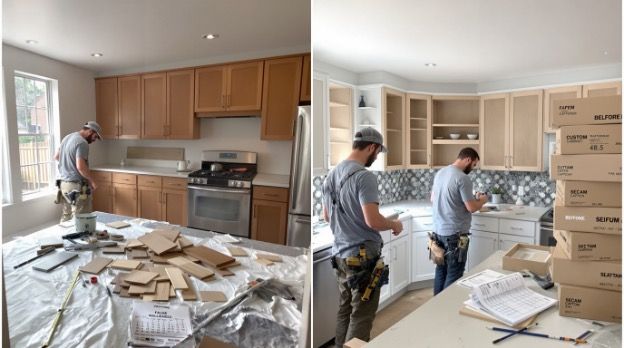
Start moving walls, relocating plumbing, or installing fully custom cabinetry and costs can climb past $70,000 quickly.
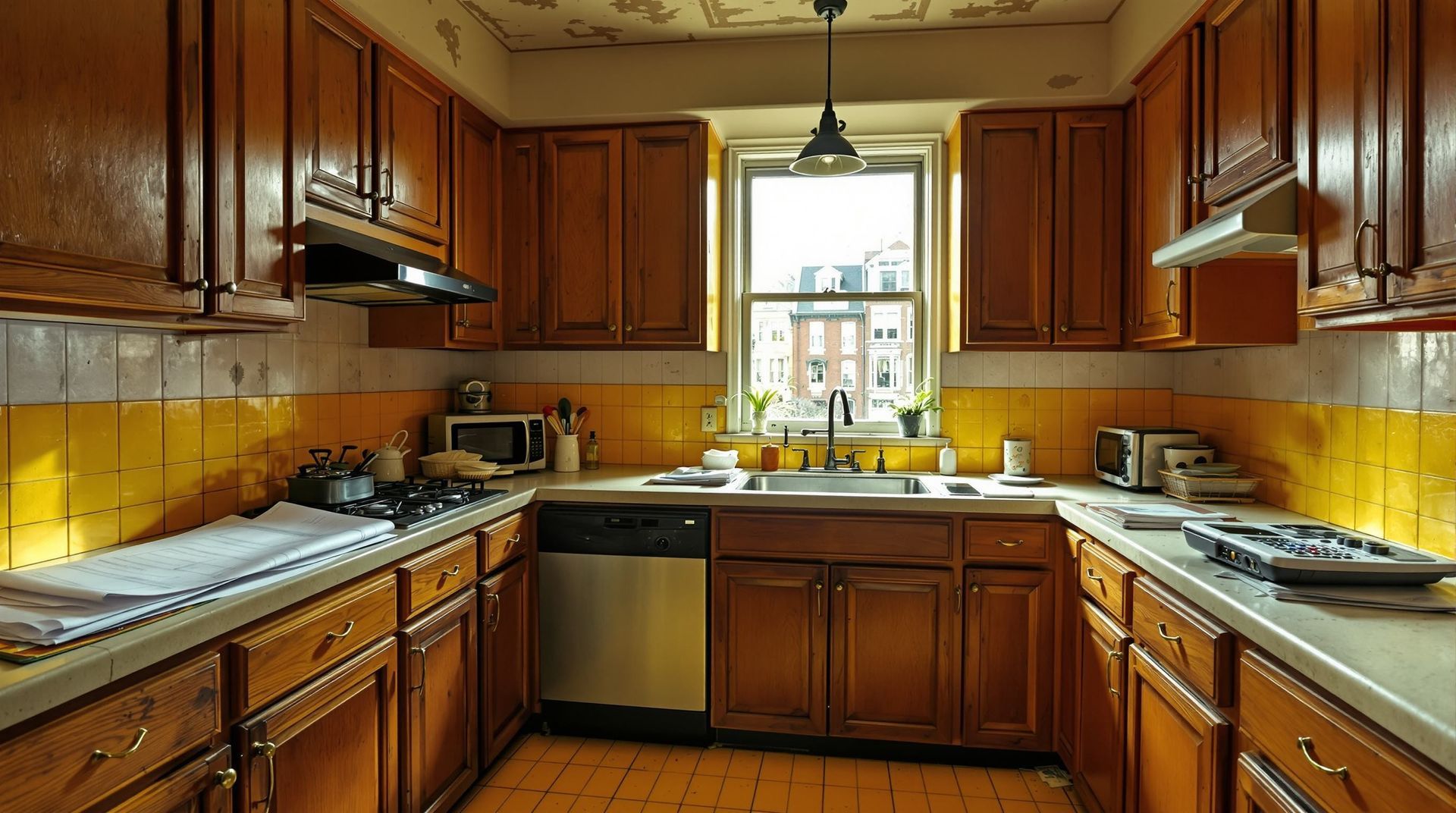
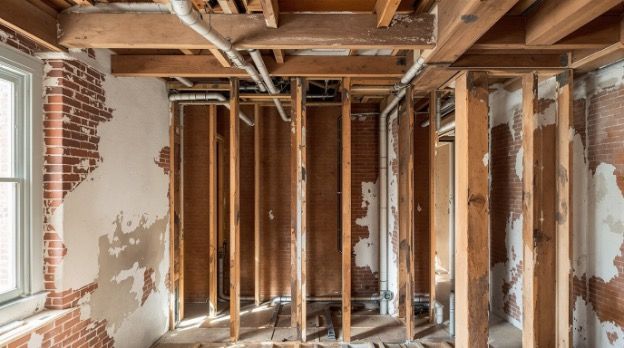
Boston homes add complexity. Dorchester triple-deckers, South End brownstones, and older colonials often need electrical upgrades or framing corrections. Those adjustments increase labor costs compared to newer homes.
If you’re exploring professional kitchen remodeling, understanding these tiers early helps you avoid sticker shock later.
What Actually Drives Your Remodel Budget?
Square footage matters, but it’s rarely the biggest cost driver. Material pricing and labor costs usually shape renovation estimates more than size alone.
Here’s where your money typically goes:
| Category | Typical % of Budget | Typical % of Budget |
|---|---|---|
| Cabinetry | 30 to 40% | Custom sizing, finish quality, hardware |
| Labor Costs | 20 to 35% | Licensed trades, electrical, plumbing |
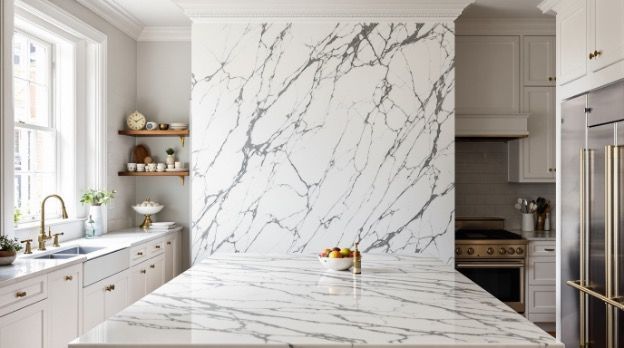
| Countertops | 10 to 15% | Quartz vs natural stone fabrication |
| Appliances | 10 to 20% | Standard vs high-end brands |
| Layout Changes | Varies | Moving plumbing, gas, or walls |
Cabinetry sits at the top because it defines how your kitchen works. Storage, layout flow, and overall style all hinge on it.
Labor costs in Boston tend to be higher than national averages. Skilled trades are in demand, and inspections are strict. That’s not a bad thing. It protects your home. It just affects your remodel budget.
Moving a sink across the room sounds simple until you factor in plumbing reroutes, drywall repair, flooring patches, and permit inspections. Keeping your existing layout is often the smartest way to control kitchen remodeling cost.
Why Cabinets Take the Biggest Bite of Your Budget
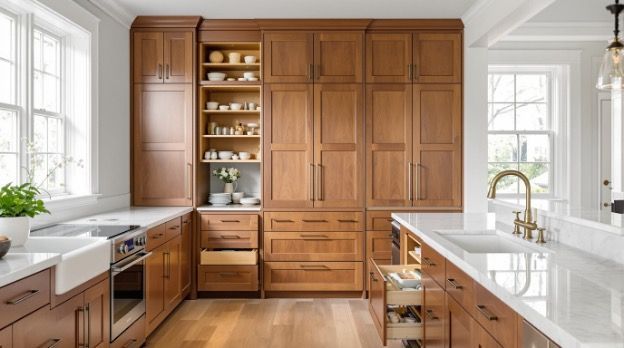
Working through a detailed
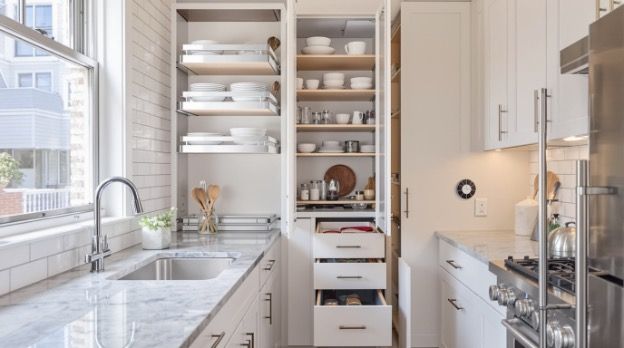
kitchen design before ordering anything helps you see how drawers, pantry pull-outs, and corner storage will function.
Cabinets usually surprise people. You might walk into a showroom thinking countertops or appliances will be the biggest expense, then realize cabinetry takes the largest share of your remodel budget.
Here’s why that happens.
1. You Use Them Every Single Day
Open a drawer. Grab a pan. Reach for a spice. Your kitchen cabinets handle all of it. Storage design affects how smoothly your kitchen works, especially in Boston homes where space can feel tight. Smart planning gives you deeper drawers, pull-out pantry shelves, and better corner solutions so you’re not fighting clutter every morning.
2. Custom Sizing Raises the Price
Older homes rarely have perfectly square walls. If your kitchen sits in a brownstone or triple-decker, chances are dimensions aren’t standard. Semi-custom cabinets give you flexibility. Fully custom cabinetry goes even further with exact sizing and finish options. More customization means more labor and higher material pricing.
3. Build Quality Makes a Difference
Cabinet boxes, hinges, and drawer slides vary a lot in quality. Solid plywood construction and soft-close hardware cost more upfront, but they hold up better over time. You don’t want sagging doors or sticking drawers five years from now.
4. Cabinets Set the Overall Look
Paint colors can change. Appliances can be replaced. Cabinets anchor the entire space visually. Door style, finish, and hardware create the personality of your kitchen, which makes them a major investment decision.
5. Boston Weather Isn’t Gentle on Materials
Humidity in the summer and dry heat in the winter put stress on lower-grade materials. Strong construction helps prevent warping and peeling. Spending a bit more here protects you long term.
Labor Costs and the Surprises Behind the Walls
Nobody likes talking about what could go wrong, but it’s part of remodeling in Boston.
Licensed electricians and plumbers are essential here. Permit approvals and inspections are detailed. All of that adds to labor costs, but it protects your investment.
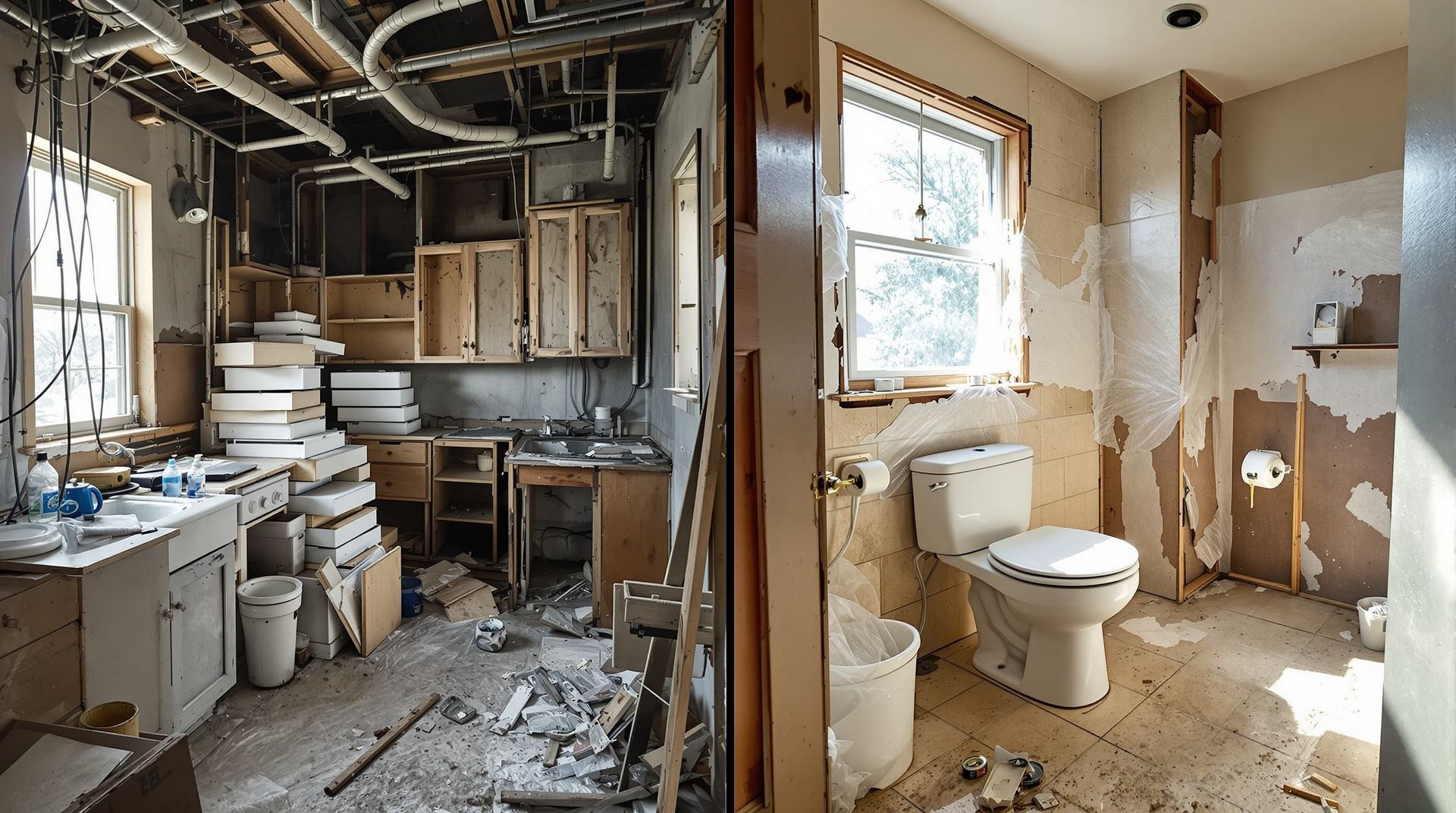
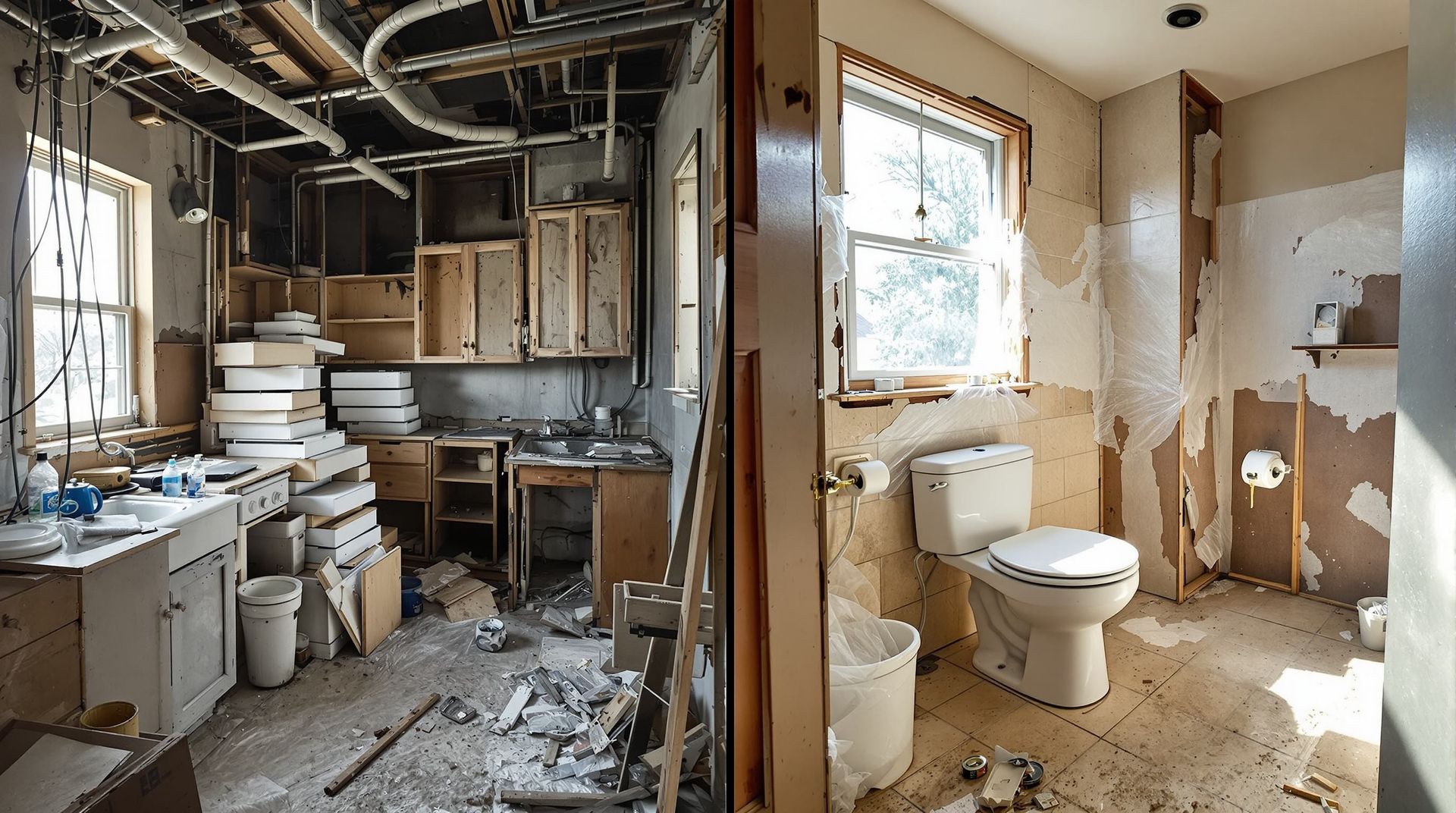
Older homes sometimes hide surprises:
- Knob-and-tube wiring
- Water damage behind cabinets
- Uneven subfloors
- Improper venting
Opening walls can reveal issues no one could see beforehand. That’s why setting aside 10 to 20 percent of your remodel budget as a contingency is realistic. A $60,000 project should probably include a $6,000 to $12,000 safety cushion.
Clear renovation estimates help reduce stress. Line-by-line breakdowns show you where your money is going before demolition starts.
How Long Does a Kitchen Remodel Really Take?
Time affects cost. Longer projects mean more labor hours.
Most Boston kitchen renovations follow a predictable pattern:
- Design and planning: 2 to 4 weeks
- Ordering cabinets and materials: 4 to 8 weeks
- Construction: 4 to 8 weeks
The total timeline usually lands between 8 and 14 weeks.
Living without a kitchen sounds worse than it usually is. Setting up a temporary space makes a big difference. A microwave, toaster oven, folding prep table, and small refrigerator can carry you through. Some families treat it like camping at home for a few weeks.
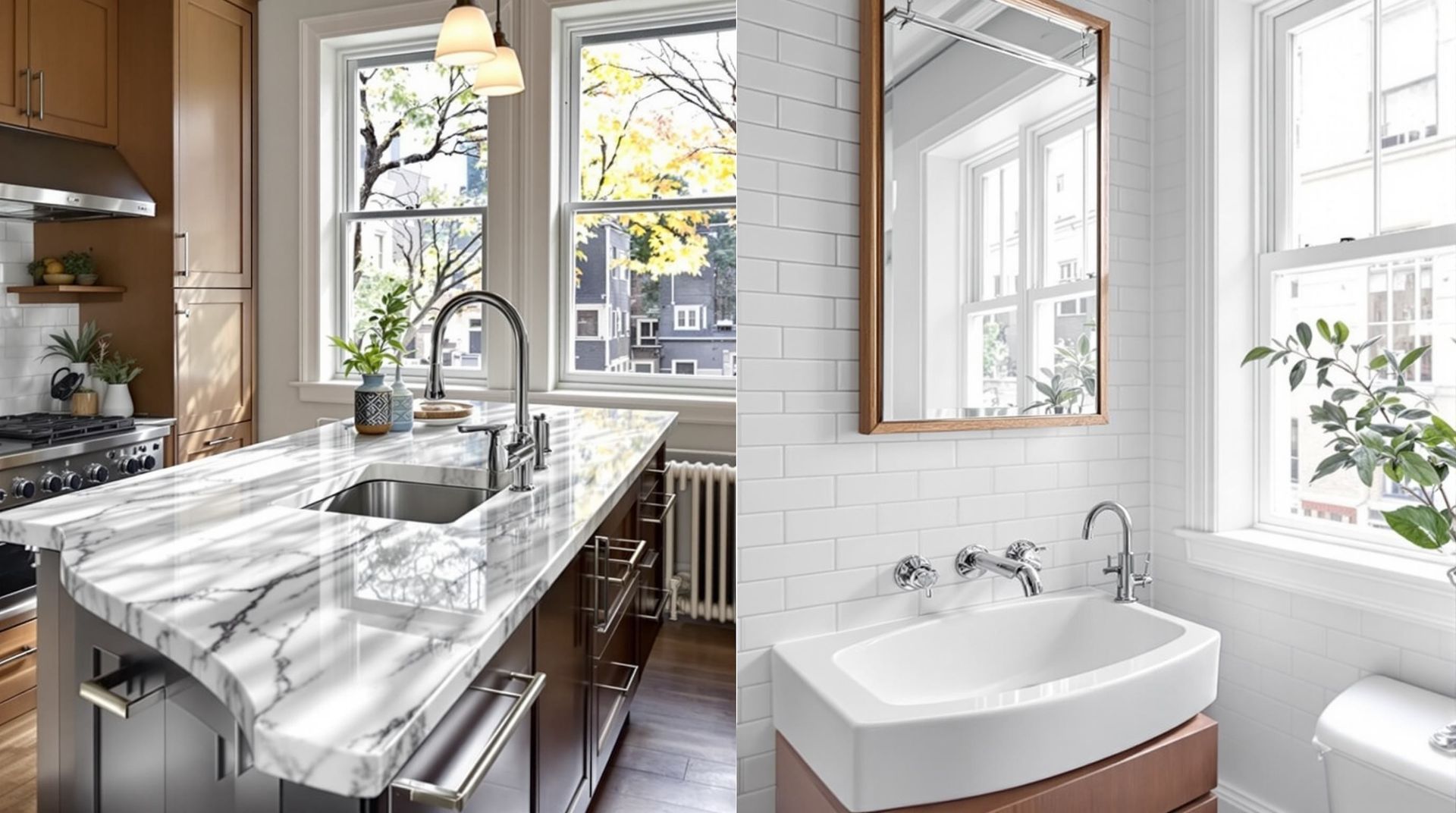
Kitchen vs Bathroom Remodeling: Which Costs More?
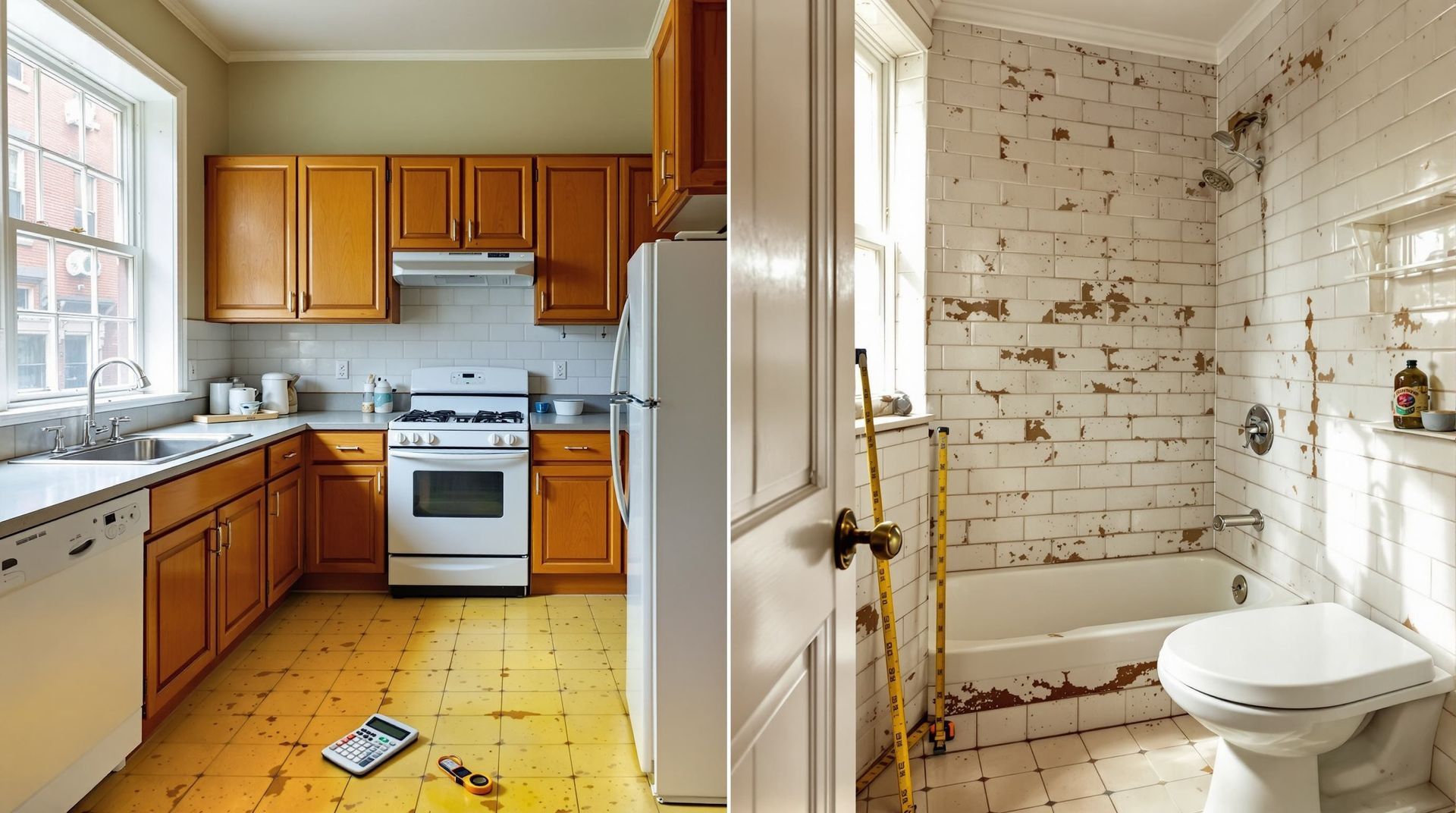
If you’re debating between updating your kitchen or tackling a bathroom first, cost likely plays a role. In Boston, a mid-range bathroom remodel typically runs between $15,000 and $35,000. Smaller space. Fewer cabinets. No major appliances.
Kitchens demand more. More cabinetry. More electrical work. Gas connections. Larger countertop areas. That complexity drives up kitchen remodeling costs. Browsing updated bathroom designs often shows how quickly tile and fixture upgrades add up, but kitchens almost always require a larger overall investment.
Resale value often favors kitchens. Daily comfort sometimes favors bathrooms. Your priorities decide which makes more sense.
Seeing everything broken down helps you make smart adjustments. Maybe you scale back countertop selection to upgrade cabinetry. Maybe you keep standard appliances and invest in better storage. Clear numbers give you control.
How to Set a Realistic Renovation Budget in Boston
Step 1: Decide What You’re Comfortable Spending
Look at savings, financing, and how long you plan to stay in your home. In many Boston neighborhoods, investing between $40,000 and $70,000 in a kitchen aligns with property values. Give yourself a ceiling number and stick to it.
Step 2: Fund the Big Items First
Cabinetry and labor costs take the largest share of most renovation estimates. Appliances and countertops follow.
Start with the essentials:
- Cabinetry
- Labor and installation
- Countertops
- Appliances
- Lighting
- Flooring
Secure these numbers first. Decorative upgrades come after essentials are covered.
Step 3: Ask for Detailed Renovation Estimates
Avoid lump-sum proposals. You want to see:
- Cabinet costs
- Labor costs by trade
- Material pricing allowances
- Permit fees
- Cleanup
Seeing everything broken down helps you make smart adjustments. Maybe you scale back countertop selection to upgrade cabinetry. Maybe you keep standard appliances and invest in better storage. Clear numbers give you control.
Step 4: Build in a Contingency
Older Boston homes often hide surprises. Behind drywall, you might find outdated wiring, uneven framing, or plumbing that no longer meets code.
Setting aside 10 to 20 percent of your total remodel budget creates breathing room. For instance, on a $55,000 project, that means reserving roughly $5,500 to $11,000. If you don’t use it, great. If you do, you won’t feel blindsided.
Step 5: Finalize Details During Design
Changing finishes on paper costs nothing. Changing them after cabinets are ordered can be expensive. Working through professional kitchen remodeling planning early allows you to align your vision with your remodel budget before demolition begins. That’s where most cost overruns happen, not because of bad luck, but because of rushed decisions.
Conclusion
Kitchen remodeling costs in Boston can vary widely, but the biggest factor is planning. When you understand where your money goes, cabinetry, labor, layout changes, and material choices, you can make decisions that protect your budget without sacrificing function or quality. Taking the time to work through design details early also helps you avoid surprises, especially in older homes where hidden electrical, plumbing, or structural issues are common.
Thinking about remodeling your kitchen? We’re here to help you understand the costs before you make any big decisions. Our team takes the time to walk you through your options, explain where your investment goes, and build a design that fits your space, your priorities, and your budget. Contact us today!
Frequently Asked Questions
Most kitchen remodels in Boston range from $25,000 to $75,000. A smaller project that keeps the layout intact may stay closer to the lower end, while moving plumbing, upgrading electrical, or installing custom cabinetry pushes costs higher. Older homes can also require behind-the-wall updates that affect renovation estimates. Getting a detailed breakdown early helps you understand exactly where your money is going.
Cabinetry typically accounts for 30 to 40 percent of the total remodel budget. Custom sizing, higher-end finishes, and interior storage upgrades increase material pricing quickly. Labor tied to cabinet installation also adds to the total.
Construction usually lasts 4 to 8 weeks, depending on the scope. Planning, design, and material ordering often add another 4 to 6 weeks before work begins. Altogether, most projects take 8 to 14 weeks from initial consultation to completion.
Bathrooms are generally less expensive because they involve fewer cabinets, smaller surface areas, and no major appliances. Kitchens require more electrical work, plumbing connections, cabinetry, and countertop space, which increases labor costs and overall investment.