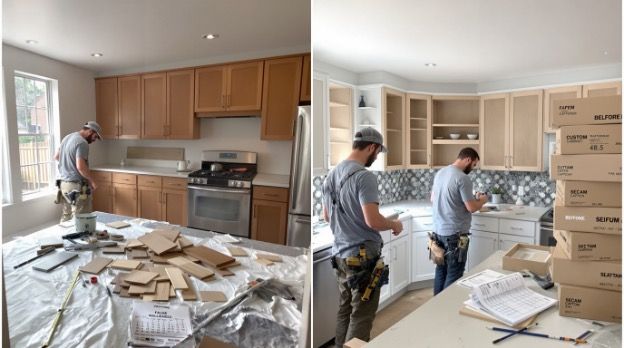
Why Design-Build Remodeling Delivers Better Results
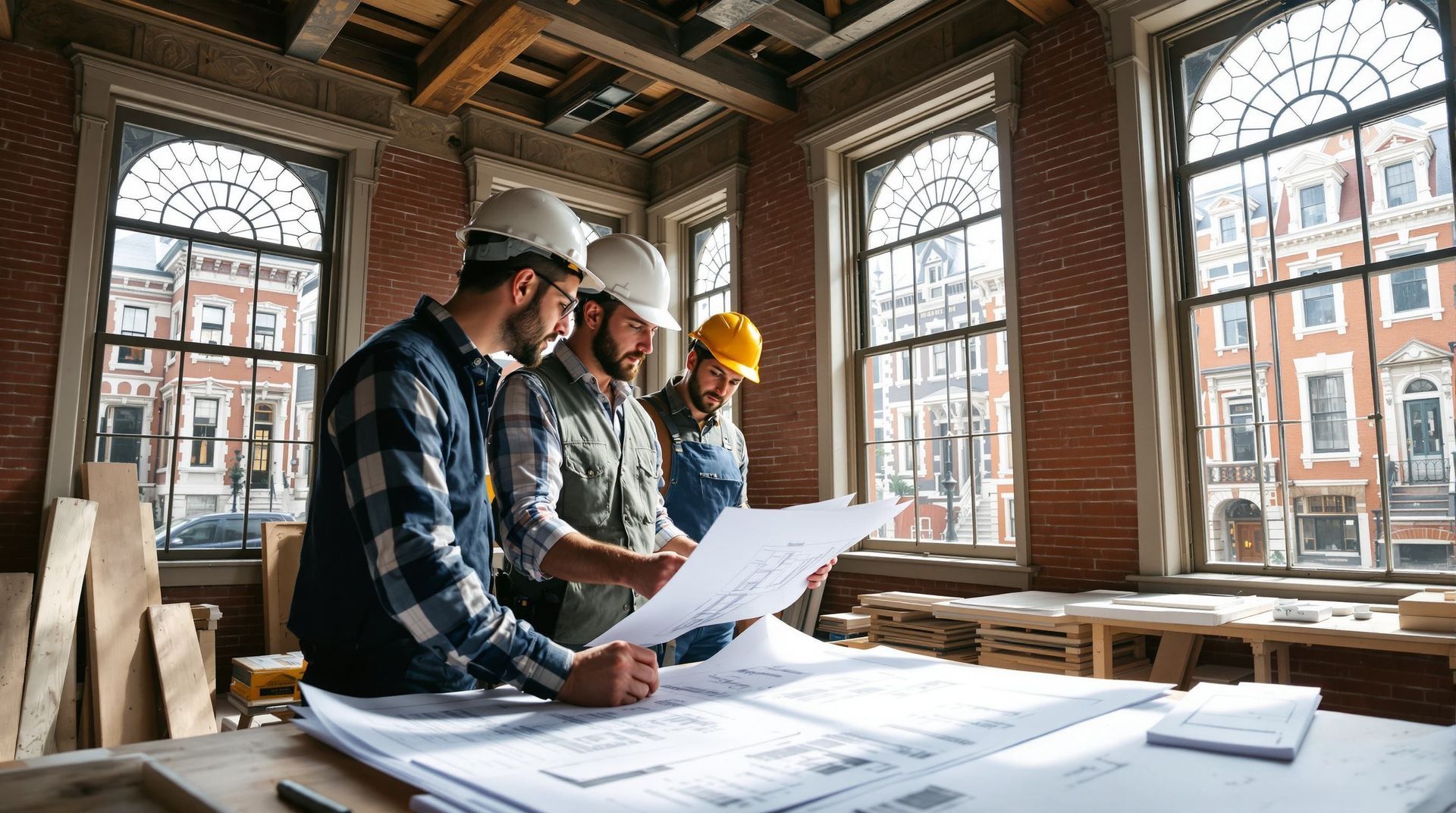
Design-Build Remodeling in Boston, MA
Quick Take: Design-build remodeling gives Boston homeowners a smoother process by combining architectural design, project management, and construction under one team. Instead of managing separate companies, you get clearer pricing, fewer surprises, and a more predictable timeline. Most kitchen and bath projects in Greater Boston take about 6 to 12 weeks for construction once design, selections, and permits are completed.
Remodeling your home should feel exciting, but it can quickly become stressful when you’re coordinating between a designer, a contractor, and multiple suppliers. It only takes one missed detail to create a delay, a change order, or an unexpected cost. In older homes around Needham, Newton, and Wellesley, hidden issues behind the walls can make that process even more complicated.
Design-build remodeling makes it easier for you by putting everything under one team. Instead of managing multiple companies, you work with professionals who handle the design, material planning, and construction together.
In this guide, you’ll see how the process works, why it delivers better results for Boston homes, and when it makes the most sense for your kitchen or bath project.
Why Traditional Remodeling Often Falls Apart
At first, hiring a designer and contractor separately can seem like a flexible approach. Each professional focuses on their role, and you expect the project to come together during construction. In reality, that separation often creates gaps that affect the budget and schedule.
Designs That Don’t Match Real Conditions
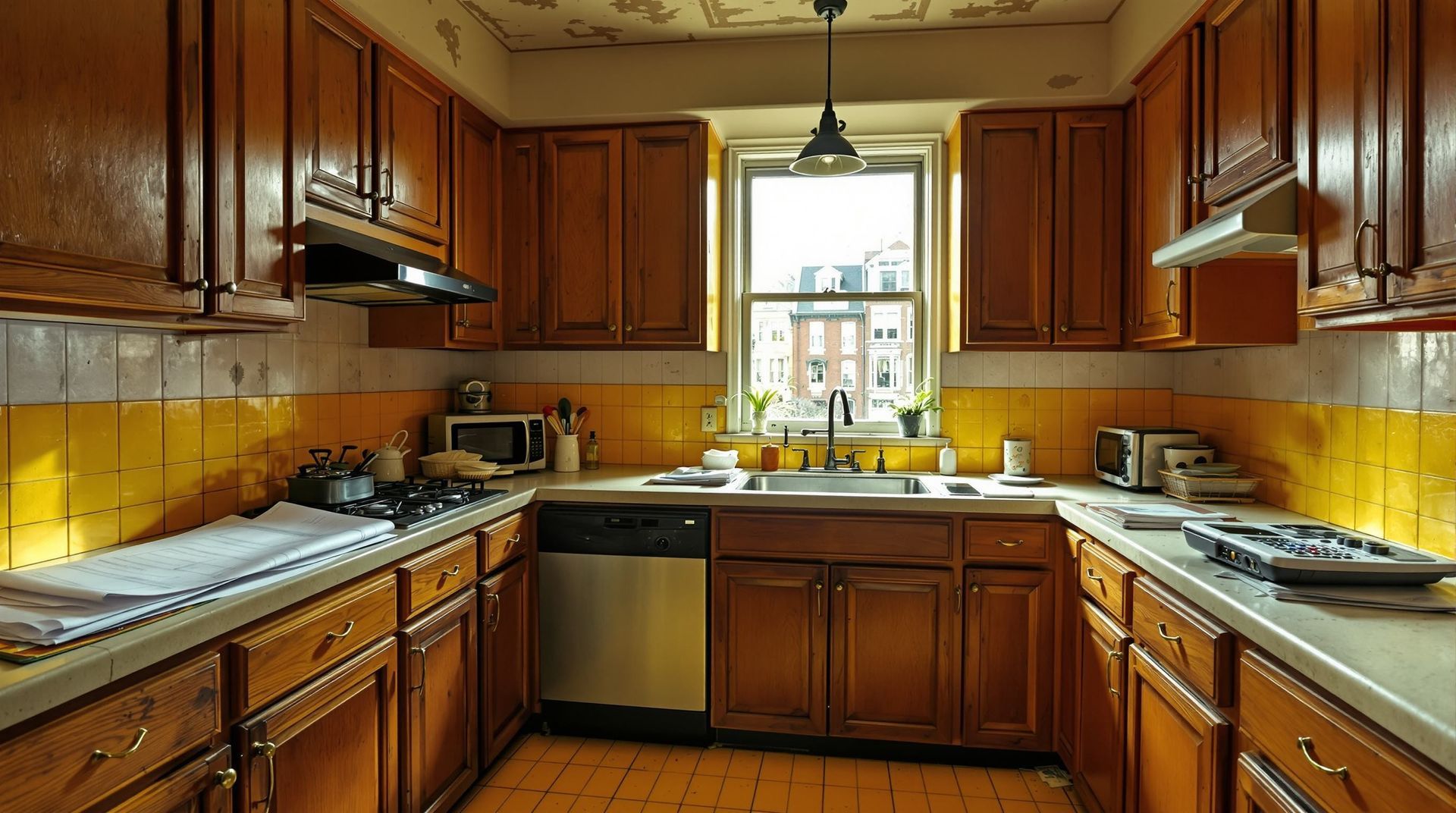
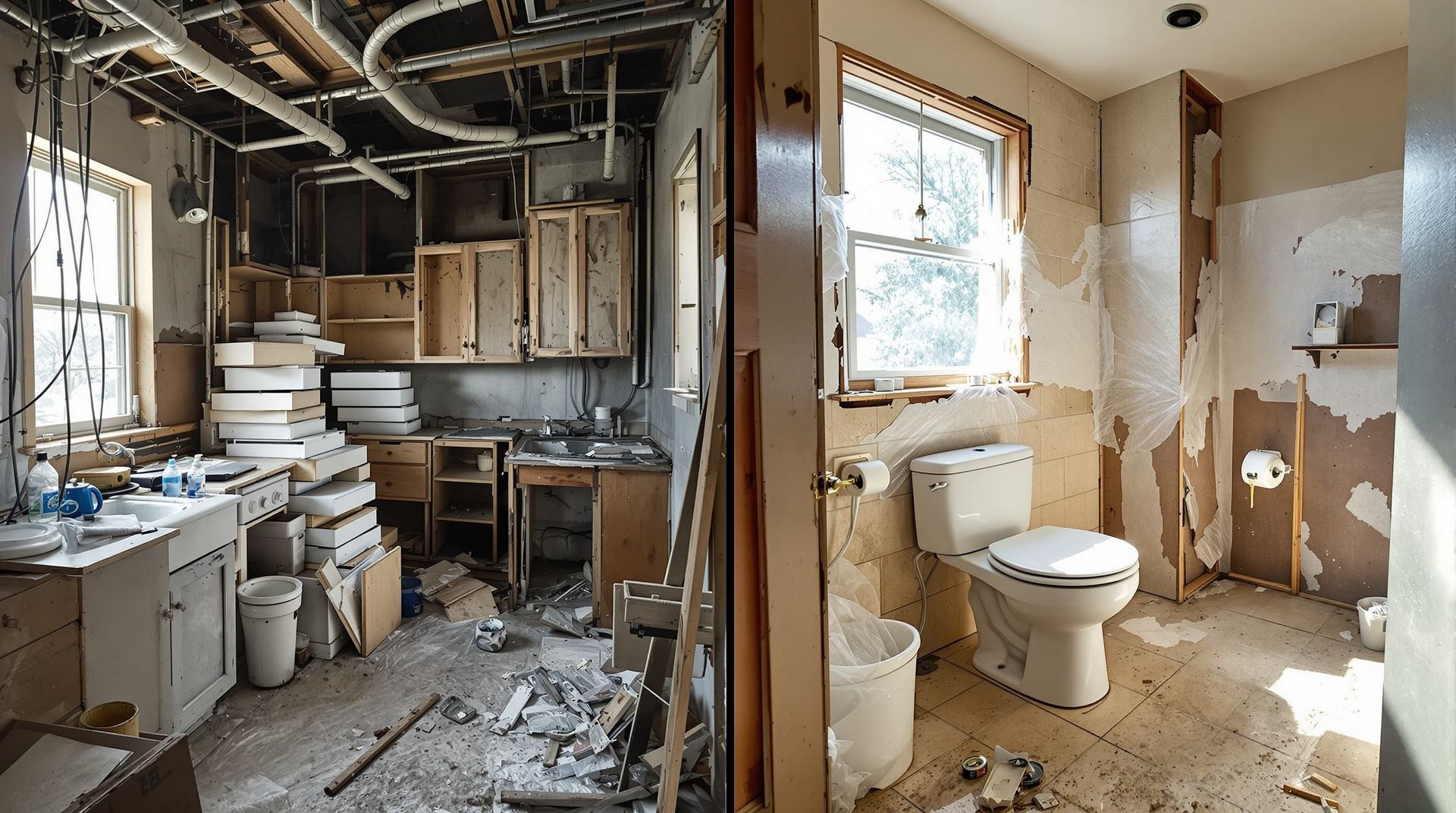
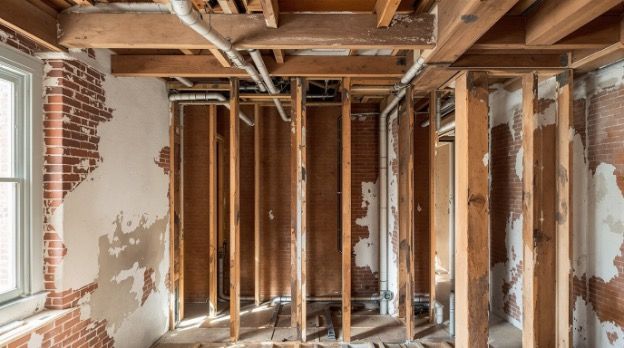
Designs are often completed before a contractor evaluates the space. In many Greater Boston homes, older wiring, aging plumbing, or uneven framing can change what’s possible. When those issues show up during demolition, layouts may need to be revised, which adds time and cost.
Budget Surprises and Change Orders
Traditional remodeling usually means pricing happens after the design is finished. If materials cost more than expected or structural work is required, the project moves forward with change orders. These adjustments can add thousands of dollars and make the final cost feel unpredictable.
Communication Delays Between Teams
When questions come up about measurements, materials, or site conditions, information has to move between multiple companies. That back and forth slows decisions and extends how long your home stays under construction. Many homeowners start looking for a design-build team after experiencing this kind of coordination breakdown.
The Benefits of Design-Build Remodeling
Design-build remodeling brings architectural design, construction planning, and project management together under one roof. Instead of hiring separate professionals and hoping everything lines up, you work with one team that handles your project from the first idea through the final walkthrough. That structure keeps decisions connected and helps the process feel more organized from start to finish.
1. One Team Guiding Your Project
With design-build, you don’t have to coordinate between a designer, contractor, and multiple vendors. The same team works with you from the beginning, so everyone understands your goals, your space, and your budget. If a question or change comes up, you get answers quickly without the delays that happen when multiple companies are involved.
2. Clear Budget and Timeline From the Start
As your layout and material choices come together, you see how each decision affects the cost and schedule. If something pushes the budget too high or adds time, you can adjust early instead of dealing with surprises during construction. That visibility helps you feel more confident about moving forward.
Budget control is one of the biggest benefits of the design-build approach. Because design and construction are planned together, costs are tied to real materials and labor, not rough estimates.
Our team uses this coordinated process to keep most kitchen and bath construction timelines within the 6 to 12 week range. You’ll still need to prepare for some disruption, but you won’t be guessing about the budget or wondering if the schedule is realistic.
3. See Your Space Before Construction Begins
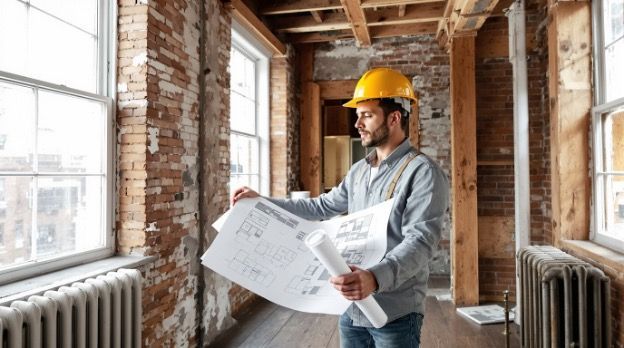
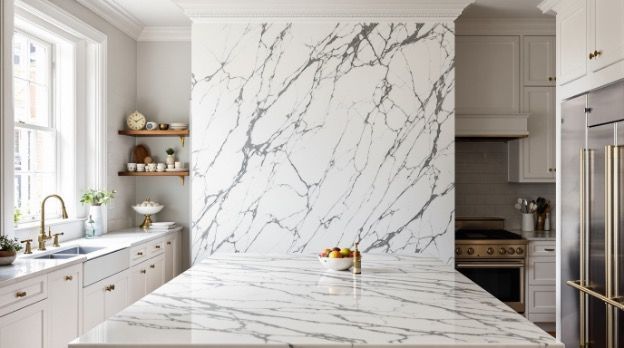
Detailed drawings and full-color renderings let you picture how your space will actually look and function. You can review cabinet placement, lighting, storage, and traffic flow before any work starts. Our team uses this step to catch potential issues early, so your project moves into construction with a clear plan and fewer unknowns.
4. Better Communication and Accountability
Once construction begins, you’ll find that remodeling involves a steady stream of decisions. Questions come up about finishes, measurements, and site conditions, and things can slow down quickly if information has to move between several different companies.
With a design-build approach, communication stays simple. You work with one team that already understands your design, your budget, and your overall plan. If an issue comes up, you get answers quickly instead of waiting days for updates to pass between a designer, contractor, and suppliers.
Accountability is clearer for you, too. There’s no guessing who is responsible for fixing a problem because the same team manages the entire project. Any adjustments are handled internally, which helps keep the schedule moving.
5. Design-Build Delivers the Most Value
Design-build makes the biggest difference when your project goes beyond simple cosmetic updates. Once layouts change or systems move, coordination between design and construction becomes essential.
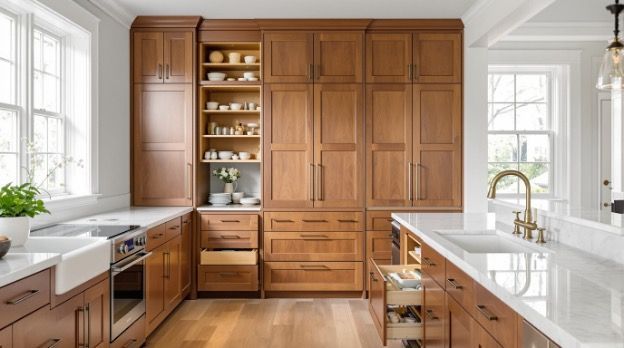
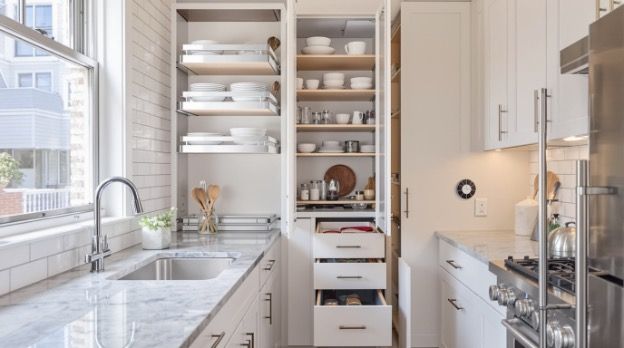
Kitchens are where this approach really pays off. Layout changes, appliance upgrades, lighting plans, and storage decisions all affect how the space functions. With professional kitchen Design, spacing and workflow are planned early so everything works together.
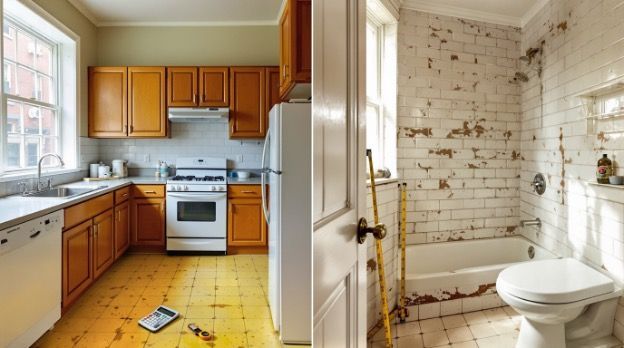
Bathrooms often involve similar complexity. Expanding a shower, adding a double vanity, or improving ventilation affects plumbing and structure. When one team manages the process, decisions stay aligned, and construction moves forward without constant revisions. Many homeowners choose design-build for a full bath remodel because it keeps the project organized from start to finish.
How Design-Build Prevents Costly Surprises
Most remodeling stress comes from problems no one saw coming. Design-build reduces that risk by planning the details early and making sure the construction team reviews every decision before work begins.
Here’s how the process helps avoid common surprises:
- Full-color renderings allow you to see your exact layout, finishes, and lighting before construction starts, which helps prevent last-minute changes.
- Material selections are finalized early, so availability and lead times don’t delay the schedule, especially when choosing custom kitchen cabinets.
- Structural, plumbing, and electrical conditions are evaluated during design, which is critical in older Boston homes.
- Permit coordination is built into the timeline so local approvals don’t create unexpected delays.
We review these details with homeowners before construction begins. While no remodel is completely free of surprises, this level of planning dramatically reduces the biggest risks.
Why Design-Build Matters More in Greater Boston Homes
Homes in the Greater Boston area have a lot of character, but they also come with surprises. A design-build approach helps you plan around local conditions early so the project doesn’t run into avoidable delays once construction starts.
1. Older homes often hide outdated systems.
Many houses in Needham, Newton, and Lexington were built decades ago. Behind the walls, you might find aging plumbing, limited electrical capacity, or framing that isn’t perfectly level.
2. Layout ideas have to work with real conditions.
Opening a wall, adding a large island, or expanding a shower may require structural support or utility changes. When construction professionals are involved during design, you get solutions that fit your home as it actually exists.
3. Permits take time, and every town is different.
Each community has its own review process and inspection schedule. Managing drawings and submissions through one team keeps approvals organized and built into the timeline.
4. Materials don’t always arrive quickly.
Custom cabinetry, stone, tile, and specialty fixtures often take 4 to 12 weeks. Early selections keep the project moving once construction begins.
5. Seasonal conditions can affect scheduling.
Winter weather, delivery delays, and trade availability all play a role in Boston-area projects. Planning around these factors helps set realistic expectations from the start.
Conclusion
Design-build remodeling gives you a clearer path from the first idea to the finished space. With one team handling design, planning, and construction, the process stays organized, the budget stays aligned, and the timeline becomes far more predictable.
If you’re planning a kitchen or bathroom project in the Boston area and want a smoother experience with fewer surprises, starting with a design-build team can make all the difference.
Ready to see what’s possible in your home? Stop by our showroom at 14 Charles St, Needham Heights, or call 781-670-3909 to schedule your consultation. You’ll get expert guidance, realistic expectations, and a plan that brings your kitchen or bathroom together without the guesswork.
Frequently Asked Questions
Most bath and kitchen remodeling projects in Greater Boston range from $30,000 to $100,000 or more, depending on size, layout changes, and material selections. Structural work and custom finishes will increase the investment. Planning upfront helps align the design with your budget.
Timeline depends on design complexity, permit approvals, and material lead times. Older homes may require additional planning for structural or system updates. Finalizing selections early and working with one coordinated team helps keep the construction phase on track and reduces avoidable delays.
Design-build helps control costs by aligning design decisions with real construction pricing from the start. Instead of adjusting plans after bids come in, materials and labor are coordinated early, which reduces change orders, avoids miscommunication, and keeps the overall budget more predictable.
Design-build works best for projects that involve layout changes, structural updates, or system upgrades. Kitchens and bathrooms often benefit the most because they require coordination between design, plumbing, electrical, and installation decisions from the very beginning of the project.