Kitchen Layout Mistakes That Hurt Function
Kitchen Remodeling in Boston, MA: Layout Tips
Quick Take: Kitchen layout mistakes are one of the biggest reasons Boston remodels go over budget and underperform. In Greater Boston suburbs like Newton and Wellesley, most kitchen remodeling projects range from $25,000 to $75,000 and take 6 to 10 weeks when properly planned. Smart workflow design upfront prevents expensive change orders and daily frustration later.
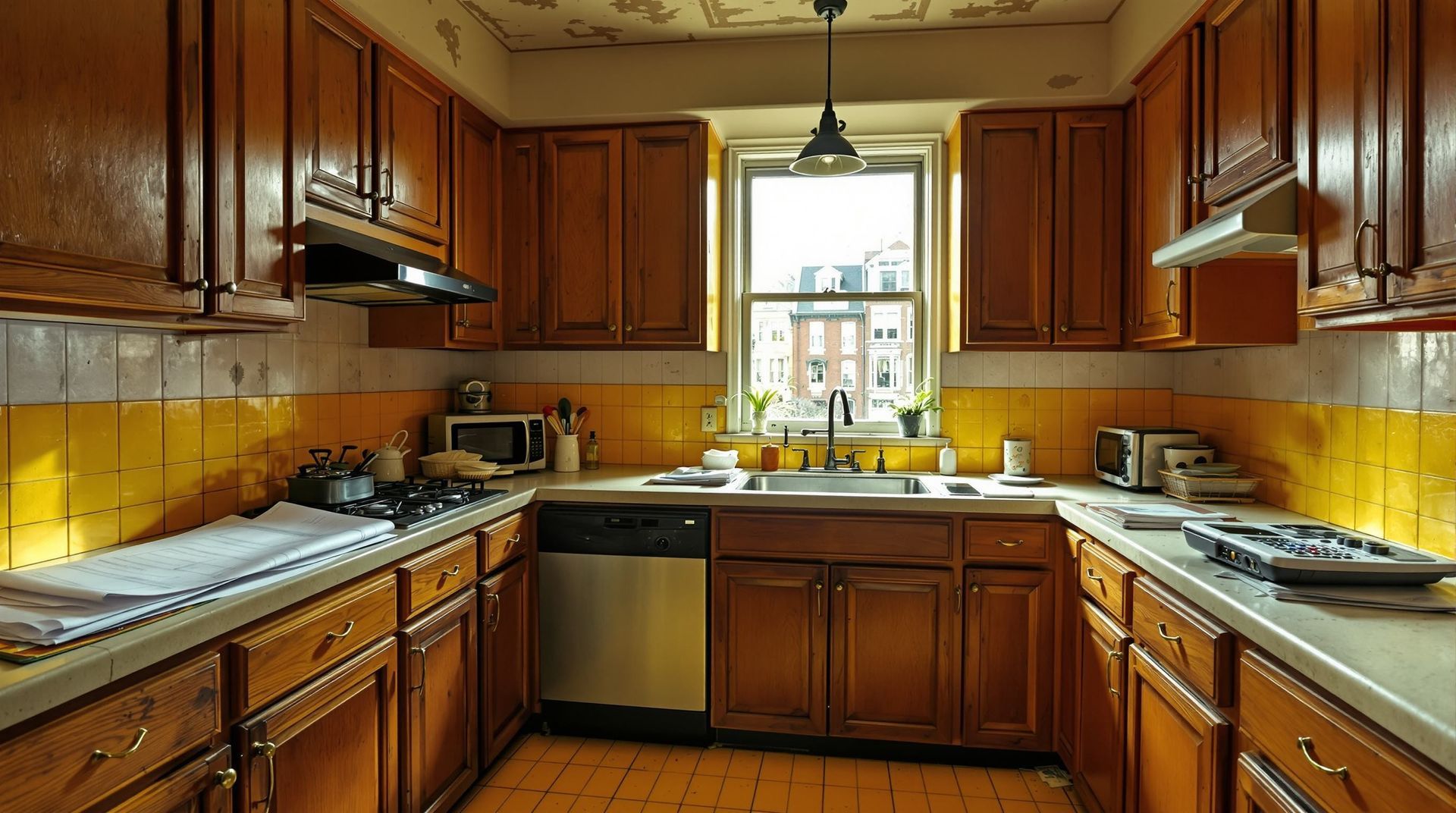
A kitchen can photograph beautifully and still drive you crazy every single day. That’s the part most homeowners don’t see until the remodel is finished. You step into the space, start cooking, and suddenly you’re walking in circles just to make pasta.
We’ve met plenty of homeowners in Needham, Lexington, and Natick who invested in stunning finishes, only to realize something feels off. The island is slightly too big. The fridge interrupts the prep space. Two people can’t pass without turning sideways. None of these mistakes are dramatic on their own. Together, they quietly ruin function.
Why Kitchen Layout Mistakes Cost More Than You Think
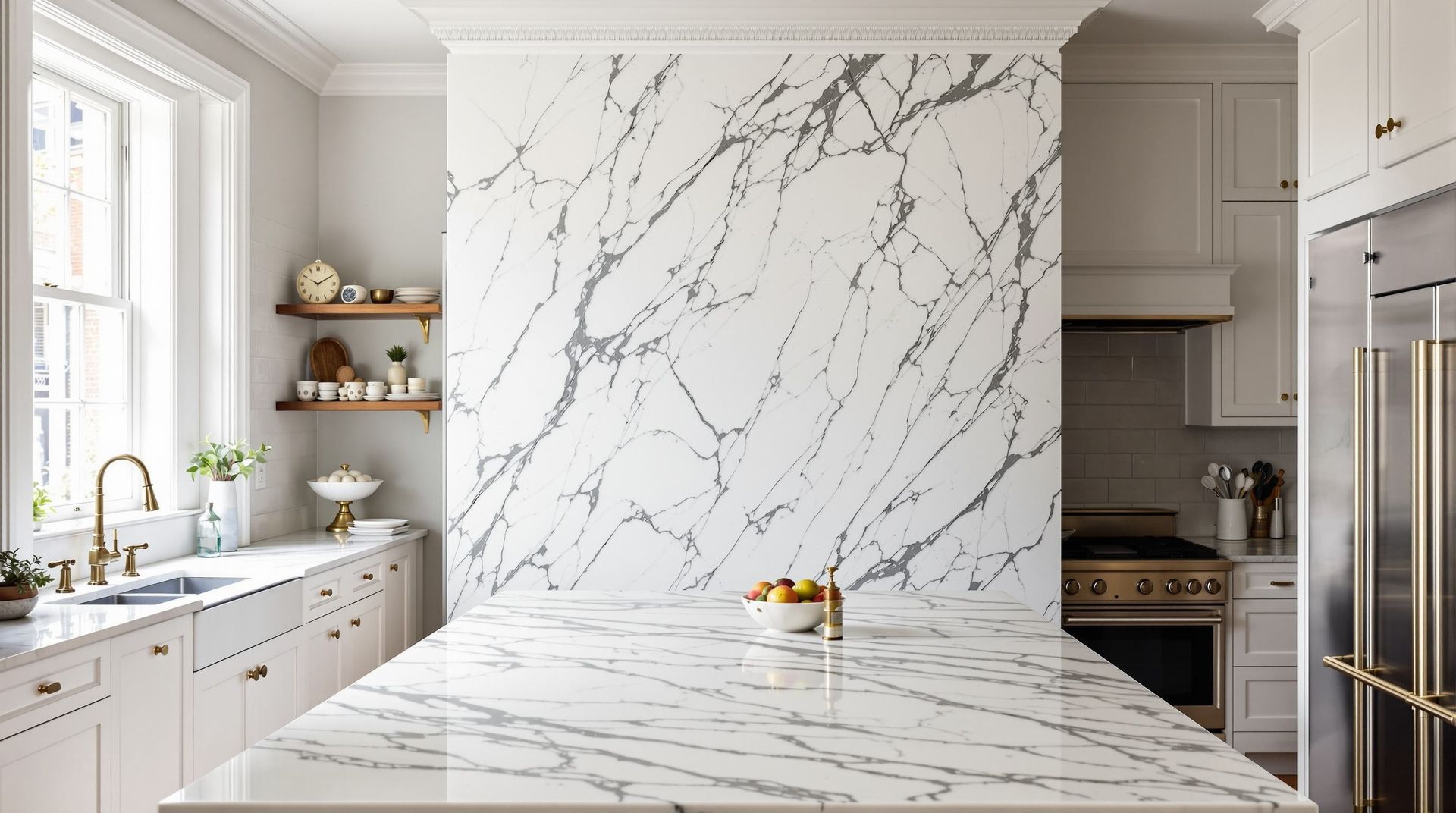
Most homeowners focus on finishes first. Countertops, cabinet color, hardware. Layout feels secondary until the space is built and something feels off. That is when kitchen layout mistakes become expensive.
In Greater Boston suburbs like Newton, Wellesley, and Needham, full kitchen remodeling projects typically range from $25,000 to $75,000 depending on size and structural changes. If a refrigerator ends up blocking a walkway or an island crowds the cooking zone, fixing it later can mean moving plumbing or electrical lines. That quickly adds thousands in change orders.
Daily frustration costs more than money. Imagine opening your dishwasher and realizing no one can pass behind you. Or carrying groceries across the kitchen because the fridge sits outside your main workflow. We catch these problems during the design phase, before construction begins, because correcting them on paper is simple. Correcting them after installation is not.
The Kitchen Work Triangle: When It Works and When It Fails
Before talking about islands or cabinets, we need to talk about movement. The kitchen work triangle refers to the path between your sink, stove, and refrigerator. When that path is balanced, cooking feels smooth. When it is not, even a large kitchen can feel awkward.
What the Kitchen Work Triangle Really Means
Industry guidelines recommend each leg of the triangle measure between 4 and 9 feet. The total distance of all three sides should fall between 13 and 26 feet. Shorter than that and you are bumping into yourself. Longer than that and you are walking laps just to make dinner.
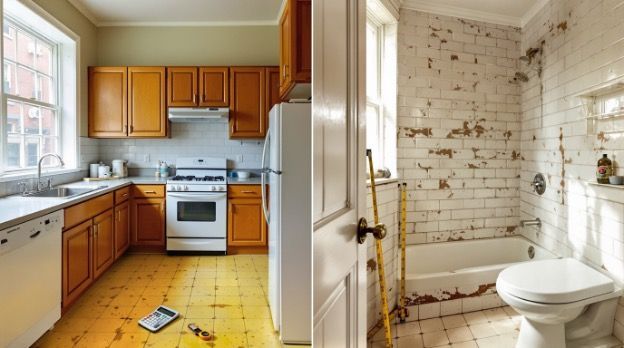
In many older colonial homes around Lexington or Natick, the original layout placed appliances against separate walls without considering modern cooking habits. Today’s households use larger refrigerators and wider ranges, which changes spacing requirements.
Common Work Triangle Mistakes
- Oversized islands that cut directly through the triangle path
- Refrigerators placed outside the main prep zone
- Sinks installed too close to cooktops, limiting counter space
- Two cooks forced into a single 36-inch walkway
Professional kitchen Design accounts for these measurements early, not after cabinets are ordered.
Traffic Flow Problems That Make Kitchens Feel Cramped
Even when the triangle is technically correct, traffic flow can still cause tension. Traffic flow is about how everyone moves through the space, not just the person cooking. In busy households throughout Waltham and Westwood, this is where layouts often fail.
Here are some traffic flow mistakes that quietly disrupt function:
- Less than 42 inches between counters in a single-cook kitchen
- Less than 48 inches of clearance when two people cook together
- Island seating placed directly behind active prep areas
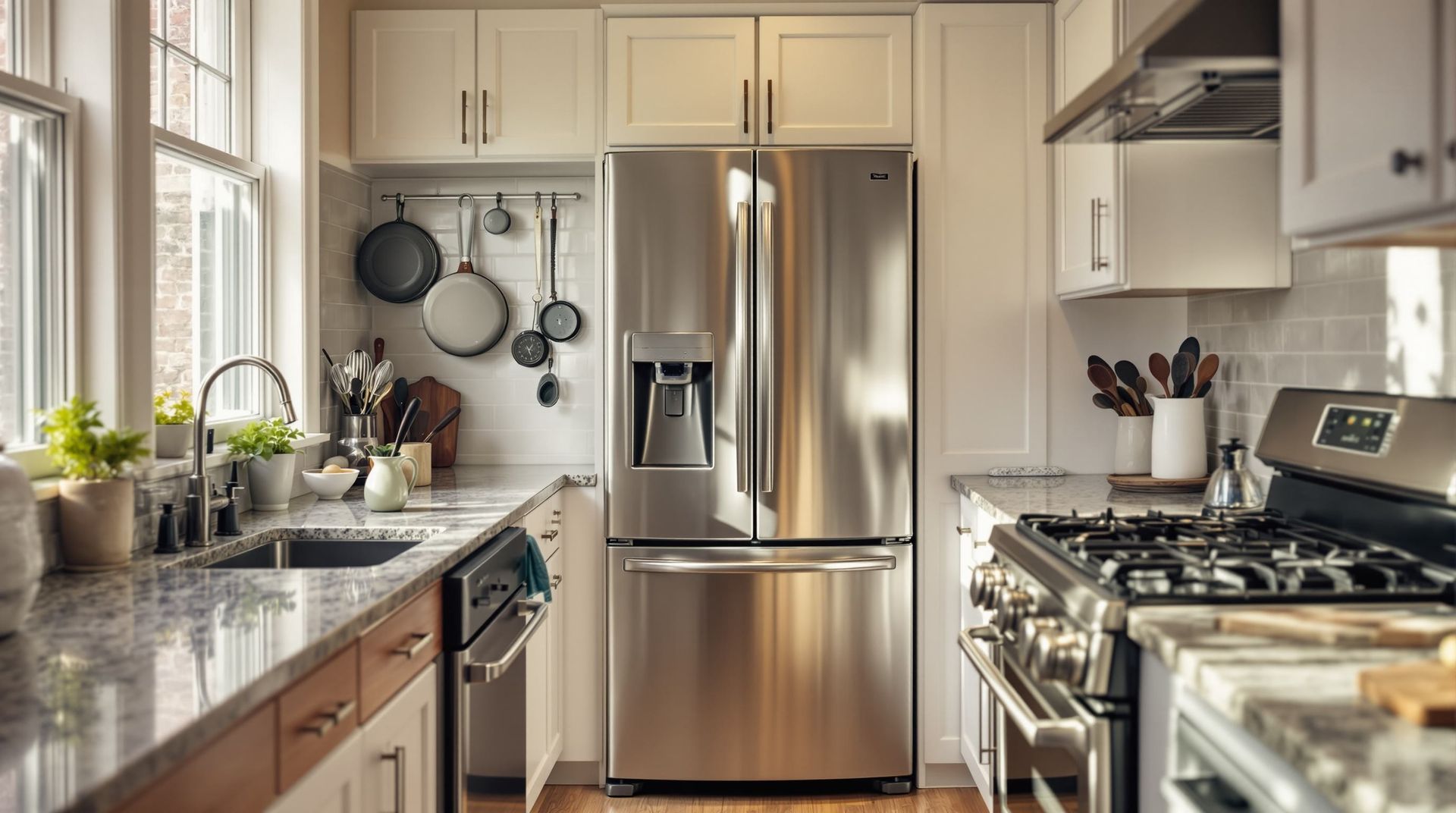
- Refrigerator or dishwasher doors blocking primary pathways
- Walkways that cut behind the cooktop
Picture sautéing at the range while someone opens the fridge behind you and there’s only 36 inches of space. Someone has to move. That split-second shuffle becomes part of daily life.
Smart kitchen remodeling widens main walkways and separates seating from cooking zones. The difference feels immediate.
Cabinet Placement Errors That Destroy Storage Efficiency
Cabinet placement shapes how your kitchen works long after the dust settles. Storage that looks impressive in a showroom can become frustrating in real life if it ignores how you actually cook. In older Boston-area homes, wall dimensions and ceiling heights add another layer of complexity.
Here are some of the most common cabinet placement mistakes we see during remodels.
Upper Cabinet Height and Reach Problems
Upper cabinets mounted too high force you onto a step stool for everyday dishes. Mount them too low and they crowd your backsplash and reduce visual space. A common guideline places upper cabinets about 18 inches above the countertop, but your height and comfort matter more than a rule of thumb.
Corner Cabinets and Wasted Space
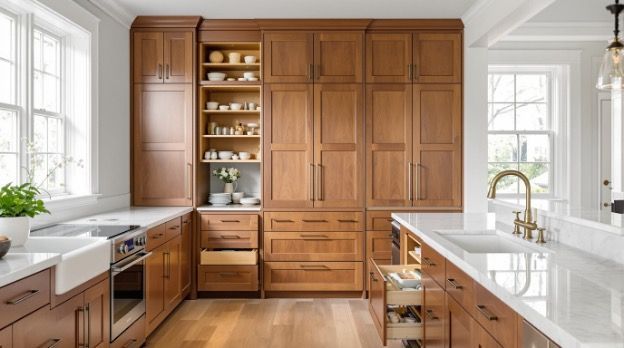
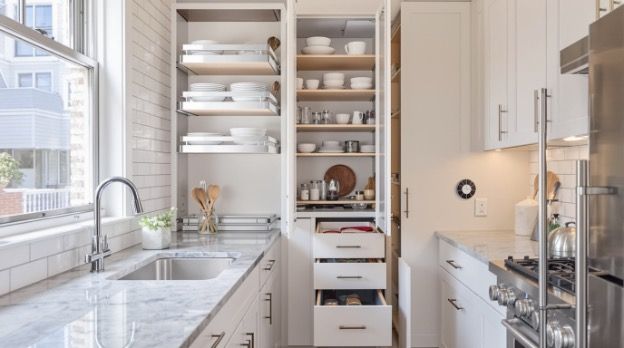
Corner cabinets easily become black holes. Without pull-out systems or rotating shelves, items disappear into unreachable depths. Smart cabinet placement turns corners into functional storage instead of forgotten space.
Drawer vs. Door Storage Planning
Traditional base cabinets with doors often require more bending and searching, while deep drawers let you see and reach items more easily. At the same time, door storage planning still matters, especially for larger items or shelves with organizers, so a well-planned kitchen usually benefits from a mix of both based on how you use the space every day.
Workflow Design: The Step Most Homeowners Skip
Many layout issues stem from skipping one critical step: mapping your workflow. Workflow design focuses on the sequence of tasks, not just appliance placement. When done correctly, your kitchen supports your habits without making you think about them.
A simple, effective workflow follows this order:
- Refrigeration
- Prep space next to the refrigerator
- Cooking surface
- Plating or serving area
- Cleanup with sink and dishwasher
If your refrigerator sits across the room from your primary prep counter, you waste motion constantly. If your dishwasher blocks access to trash pull-outs, cleanup becomes awkward.
Thoughtful kitchen remodeling plans build workflow into the design from the beginning. Our team uses 20/20 design software to create full-color renderings, so you can see exactly how your movement will feel before construction starts.
Skipping workflow planning often leads to regret, even in high-end kitchens.
Structural and Code Realities in Older Boston Homes
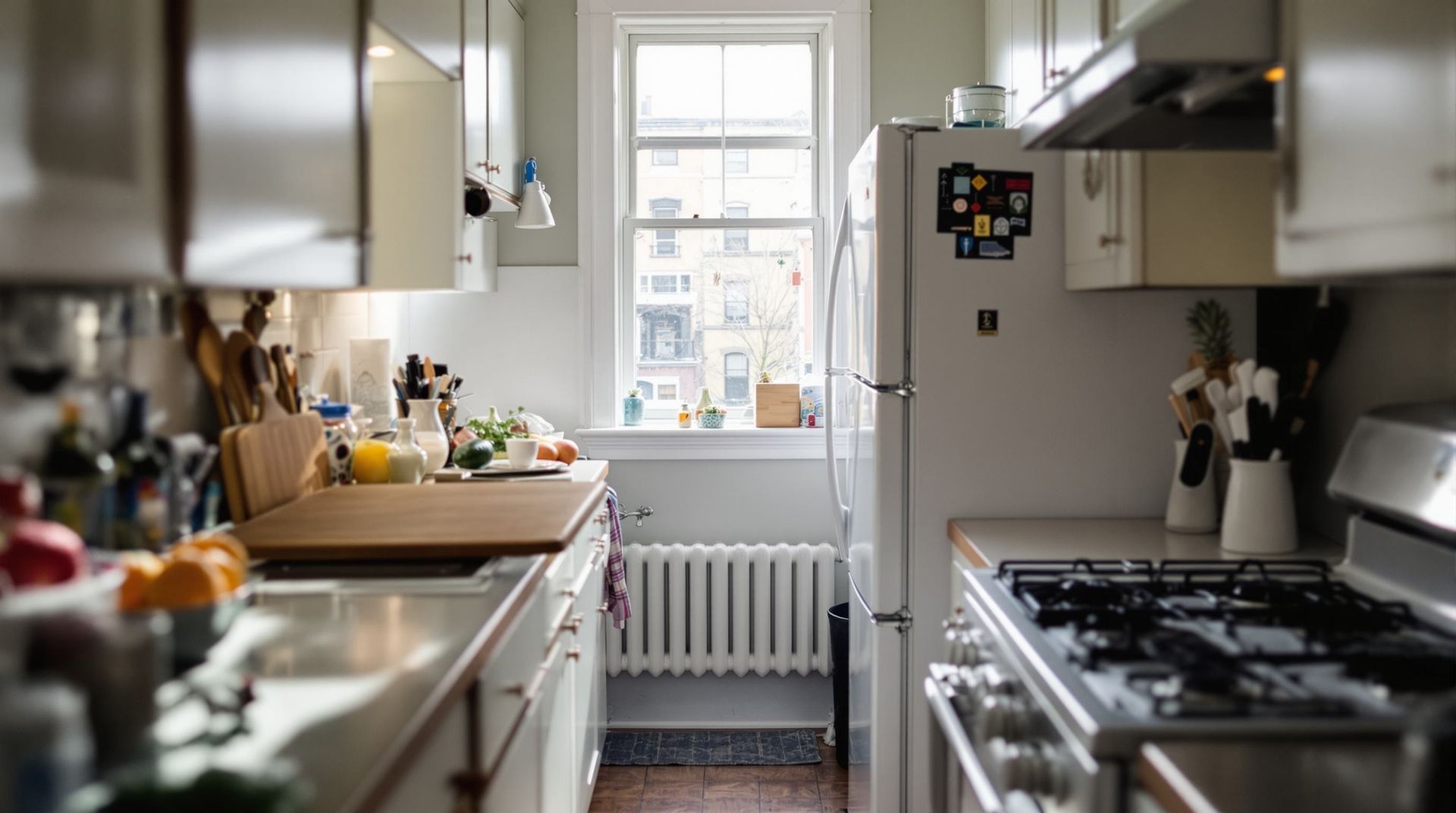
Layout decisions do not happen in a vacuum. Many homes in Newton, Needham, and surrounding suburbs were built decades ago. Behind those walls, you may find outdated wiring, undersized plumbing lines, or structural beams that limit layout flexibility.
Electrical and Plumbing Surprises
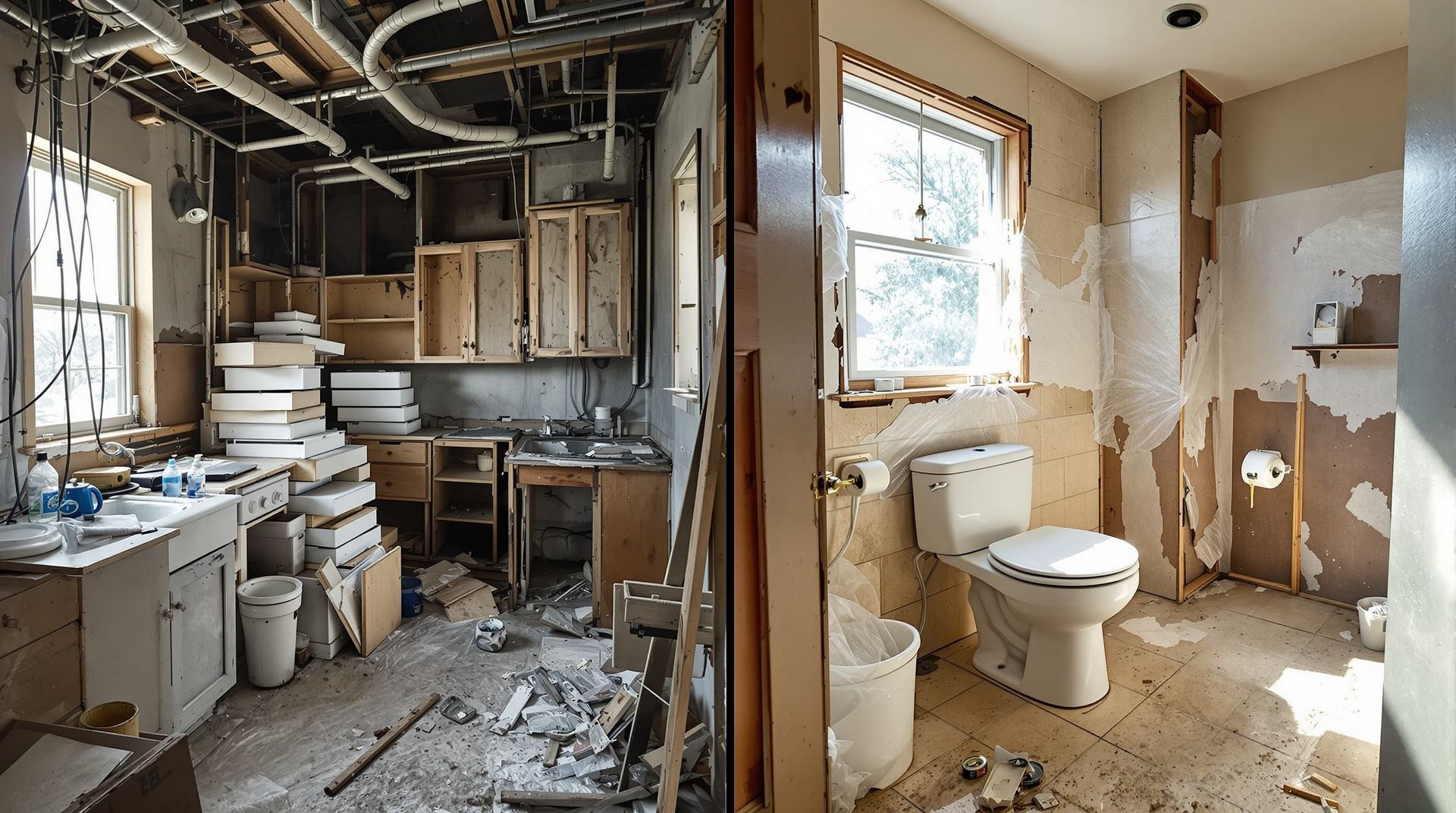
Pre-1970 homes often require electrical panel upgrades to support modern appliances. Venting a professional range properly may require new ductwork. Occasionally, removing a wall reveals plumbing stacks that cannot be relocated easily.
These discoveries can add time and cost. Honest planning accounts for that possibility.
Permitting and Timeline Delays
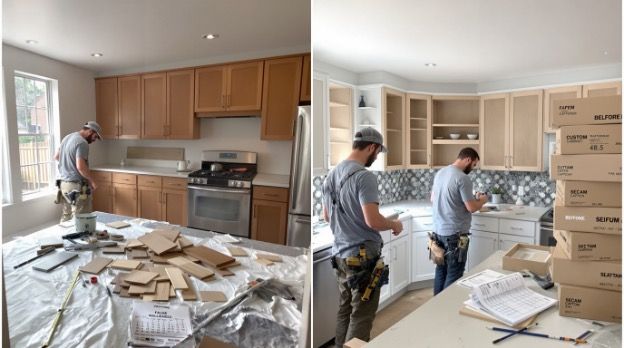
Towns like Lexington, Natick, and Westwood have specific permitting processes. Inspections can extend timelines, especially if structural changes are involved. Most Boston-area kitchen remodels take 6 to 10 weeks once construction begins, but complex projects can run longer.
Clear expectations reduce stress. Surprises increase it.
When to Bring in Professional Design Help
Some layout problems are obvious. Others hide in plain sight. If you feel unsure about spacing, storage, or appliance placement, that is the right moment to involve a design professional.
Since 2007, Prestige Kitchen & Bath has operated from 14 Charles St, Needham Heights, MA 02494, serving homeowners across Greater Boston. Owner Antonio Tony Monteiro brings over 25 years of experience, and our design team combines for more than 75 years. Every portfolio project on our website was personally designed by Tony.
We provide full-color 3D renderings before construction begins, allowing you to visualize your exact layout. Our Houzz Super Service Award, earned five consecutive years, reflects consistent client satisfaction. Many homeowners who complete a kitchen also consider a related Bath Remodel to improve overall home function.
Good layout is invisible when it works well. You only notice it when it fails.
Conclusion
Kitchen layout mistakes rarely announce themselves during planning. They show up months later when the space feels awkward despite looking beautiful. Focusing on the kitchen work triangle, traffic flow, cabinet placement, and workflow design protects both your budget and your daily comfort.
In Greater Boston homes, structural realities and permitting requirements add another layer of complexity. Careful planning, realistic timelines, and professional design review reduce risk. When your layout supports how you cook, gather, and move, the kitchen finally feels effortless.
If your kitchen feels slightly off but you can’t pinpoint why, layout is usually the reason. At Prestige Kitchen & Bath, we create full-color 3D renderings using 20/20 design software so you can evaluate traffic flow, cabinet placement, and workflow design before construction begins. You can visit our showroom at 14 Charles St, Needham Heights, MA 02494 or call 781-670-3909 to schedule a consultation.
Frequently Asked Questions
Most kitchen remodeling projects in Greater Boston range from $25,000 to $75,000 depending on size, materials, and structural changes. Major layout adjustments that move plumbing or walls increase costs.
Construction typically takes 6 to 10 weeks once permits are approved. Larger projects with structural modifications or custom cabinetry may take longer.
Each leg of the triangle should measure between 4 and 9 feet, with a total distance of 13 to 26 feet. This keeps movement efficient without crowding the space.
Yes. Layout decisions should come first. Cabinet and appliance selections should support your workflow design, not dictate it.